

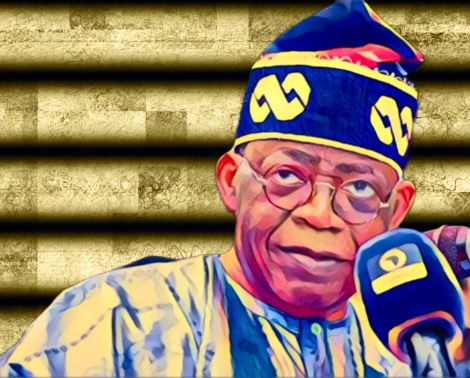
In the recent wrap-up of the 18th G-20 Summit, Nigerian President Bola Tinubu held crucial bilateral talks with several global leaders. His goal was to deepen Nigeria’s economic ties and boost investment avenues. Specifically, he met with German Chancellor Olaf Scholz, South Korean President Yoon Suk Yeol, and the summit’s host, Indian Prime Minister Narendra Modi.
Ajuri Ngelale, the Special Adviser to the President on Media and Publicity, highlighted in his statement titled “Advancing Practical Steps in Bilateral Relations” that Germany, South Korea, and India play vital roles in Nigeria’s economic aspirations.
Furthermore, he stressed that these meetings were symbolic and aimed at tangible outcomes.
A report by Leadership.ng, revealed that President Tinubu’s conversations kicked off with Chancellor Scholz, the leader of Europe’s economic juggernaut. Tinubu conveyed, “Beyond fiscal plans, we aim to align the ambitions of German mega-manufacturers with the incentives Nigeria offers.”
He expressed a desire for fruitful collaboration across diverse sectors. In turn, Scholz acknowledged Nigeria’s appealing market and its pro-business reforms. Additionally, he displayed interest in a prospective October trip to Nigeria.
In his dialogue with South Korea’s President Yeol, Tinubu garnered commendation for preserving democratic values and maintaining stability in West Africa. Shifting gears, the two leaders explored economic alliances.
Tinubu elaborated on his vision to augment South Korea’s footprint in Nigeria’s industrial sectors, adding, “Our partnership will be comprehensive, encompassing areas from tech to energy.” Yeol acknowledged Nigeria’s prowess in education and tech and promised to motivate South Korean investors to explore Nigeria’s emerging sectors.
With Prime Minister Modi, mutual growth opportunities between India and Nigeria came into focus. Tinubu remarked, “India’s impressive trajectory under your guidance provides insights for us. Collaborations in agriculture and fintech can drive sustainable growth in Africa.”
Echoing the sentiment, Modi said, “We’ll enhance our collaboration in areas like defence, agriculture, and fintech. Nigeria’s prospects in the Unified Payments Interface (UPI) are commendable, and we’re committed to accelerating our joint initiatives.”
In essence, these discussions underscore a strong dedication to fortifying bilateral ties. They set the stage for Nigeria’s assertive presence globally, championing shared growth, enduring alliances, and tangible results.

