

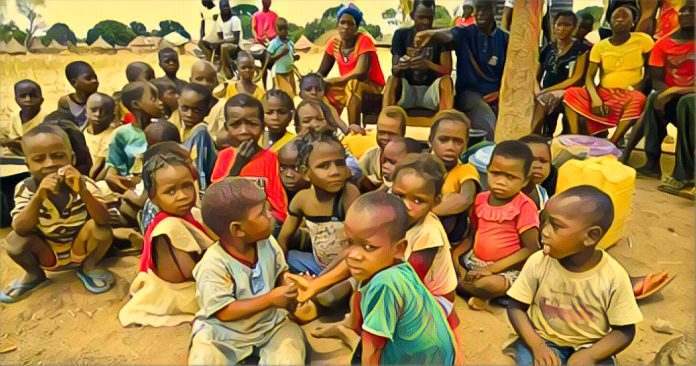
A recent report revealed that 45% of children under five years old in Kano State are stunted due to a lack of proper breastfeeding and nutrition. The report cited the Deputy Director of Family Health and Nutrition at the Kano State Primary Healthcare Management Board, who spoke at an annual dialogue on maternal, infant and young child nutrition in Kano.
According to the official, Kano is one of the most populous states in Nigeria with 810,000 children aged 6-23 months, and stunting affects 46% of them. He said that only 30% of these children consume food from five varieties of foods daily, and only 14.6% consume the minimum acceptable diet. He also said that only 28.7% consume meat, 12.3% consume dairy and 2% consume eggs.
The official stressed the need for Kano State to address the issue of stunting caused by undernutrition and lack of proper breastfeeding, adding that the first 1,000 days of life, from the start of a woman’s pregnancy to a child’s second birthday, offer a unique window of opportunity for preventing undernutrition and its consequences. He suggested some evidence-based interventions, such as exclusive breastfeeding for the first six months of life, appropriate complementary foods from six months with continued breastfeeding for up to two years, and micronutrient supplementation for women and children.
The report also highlighted the negative impacts of malnutrition on children’s health, development and productivity, as well as the economic losses estimated to account for as much as 11% of Nigeria’s Gross Domestic Product (GDP).
The report echoed the findings of other sources, such as the Global Nutrition Report, which ranked Nigeria as having the second highest burden of stunted children in the world, with a national prevalence rate of 32%. The report also noted that only 17% of babies in Nigeria are exclusively breastfed during their first six months of life, and just 18% of children aged 6-23 months are fed the minimum acceptable diet.
The UNICEF Nigeria website also stated that an estimated 2 million children in Nigeria suffer from severe acute malnutrition (SAM), but only two out of every 10 children affected are currently reached with treatment. The website also said that Nigeria loses about 2,313 children daily, close to half of which are due to malnutrition.
However, the report also mentioned some of the efforts being made by the government and other partners, such as UNICEF, to improve the nutrition situation in Nigeria, especially in the northern states where the problem is more prevalent. The report said that UNICEF has been supporting Nigeria’s community-based programme for treatment of SAM since 2009, and has also been implementing other nutrition-sensitive interventions, such as antenatal care, immunization, deworming, and adolescent girls’ and maternal nutrition.
The report concluded by calling for more investment in nutrition, particularly in the earliest years of life, to ensure good nutrition for every child in Nigeria.
Source: Punch Newspapers

