

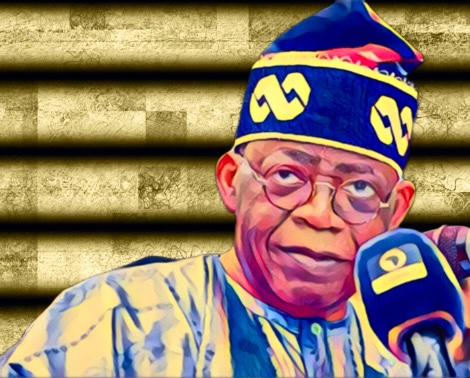
In a transformative move for Nigeria’s energy landscape, President Bola Tinubu gave his assent to the 2023 Electricity Act. This decision didn’t just come out of nowhere; it was the culmination of years of efforts, discussions, and aspirations.
The act’s endorsement has drawn applause from many quarters. Notably, Aliyu Tahir, the esteemed Managing Director of the Nigerian Electricity Management Services Agency (NEMSA), voiced his commendation. He sees this as a giant leap towards a brighter, energy-efficient future for Nigeria.
Tahir’s admiration for Tinubu isn’t limited to this act alone. Through a statement released by Mrs. Ama Umoren, NEMSA’s Head of Communication and Protocol, Tahir lauded the president for his relentless drive. He emphasized Tinubu’s intent to uplift Nigeria’s electricity services, marking a significant stride in infrastructure development.
While Tinubu’s leadership stands out, the contributions of other key players can’t be ignored. Mr. Adebayo Adelabu, the Minister of Power, received praise from Tahir for guiding the Nigerian Electricity Supply Industry (NESI) with necessary policy frameworks.
Founded under the Electricity Act of 2015, NEMSA’s role in shaping Nigeria’s electricity landscape is paramount. Among its responsibilities are the enforcement of technical standards, meticulous inspections, and certifying electrical installations. Safety and efficiency are at the core of its functions.
NEMSA’s primary ambition revolves around creating a safe and stable electricity infrastructure for Nigerians. With collaborative initiatives, the agency is making strides towards a zero-accident record, ensuring energy accountability, and eliminating sub-par equipment.
Delivering quality service remains a top strategy for NEMSA. Tahir’s words encapsulate this commitment, “Adherence to principles of quality, safety, and collaboration is our modus operandi.” With such an approach, the future of Nigeria’s power sector looks promising.
In wrapping up, with the endorsement of the Electricity Act 2023 and the diligent efforts of agencies like NEMSA, Nigeria, celebrating its 63rd year of independence, is on a path to achieving an electrifying future.

