

As Nigeria readies for its imminent elections in Bayelsa, Imo, and Kogi states, doubts arise regarding the electoral process’s integrity. This skepticism stems from the Independent National Electoral Commission’s (INEC) recent announcement: the decision to manually transmit the Bayelsa governorship election results on November 11.
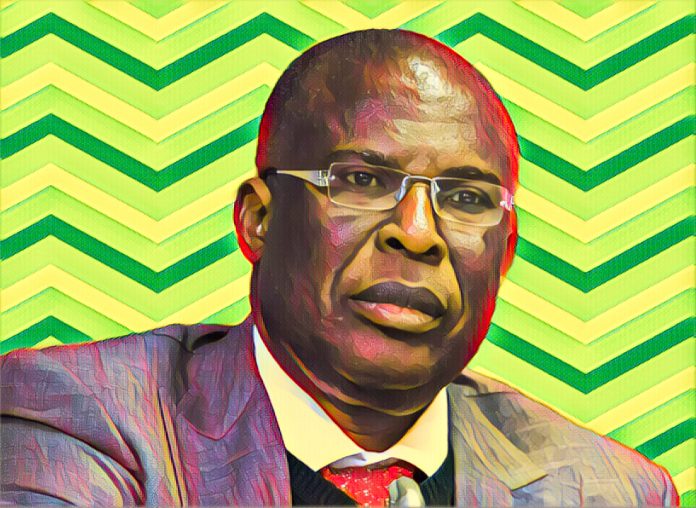
In Yenagoa, during a meeting with religious leaders and faith organizations, State INEC Resident Electoral Commissioner, Mr. Obo Effanga, confirmed this manual approach. He further stressed that INEC is committed to conducting transparent elections. He added that only those accredited by BVAS would be eligible to vote. Also, he urged residents to pick up their Permanent Voter Cards (PVCs) by October 11.
The manual transmission decision has not been well-received. Previously, states like Ekiti, Osun, and Anambra had seen successful deployments of BVAS and electronic result transmissions. Such initiatives were heralded as transformative. Moreover, they played a pivotal role in formulating the Electoral Act 2023.
However, there’s a twist. Before the 2023 general elections, INEC had promised electronic result transmission. Yet, this assurance was left unfulfilled during the presidential election. Several recent court rulings further complicate matters. They indicate that INEC can choose its preferred result transmission method. A crucial judgment by the Lagos Court of Appeal negated a previous mandate that required electronic results uploads directly to the INEC Result Viewing Portal (IReV).
The controversy surrounding electronic transmission deepens as presidential candidates, Atiku Abubakar and Peter Obi, take the fight to the Supreme Court. They argue that INEC sidestepped the amended Electoral Act’s guidelines, even with considerable funding at their disposal.
Daily Post reported that Civil groups, like the Civil Society Legislative Advocacy Center, have expressed concerns over INEC’s manual approach. They see potential manipulation windows opening up. Rafsanjani, CSLAC’s Executive Director, fervently emphasized the nation’s democratic sustainability hinges on transparent elections.
Similar apprehensions resonate with other pro-democracy groups. They vocally advocate for electronic transmission as a trust-building tool in elections. In contrast, organizations like the Good Governance Advocacy Group express bewilderment over INEC’s reasoning for the manual approach.
In conclusion, as Dada Olayinka Olabode of NNPP underlines election credibility, Yunusa Tanko, from the Labour Party, remains steadfast. He champions the rule of law and transparency in elections, highlighting the collective call for genuine electoral reform.

