

The ongoing war between Israel and Hamas could have serious implications for Nigeria’s economy, as global oil prices have risen amid fears of supply disruptions in the Middle East. Nigeria, Africa’s largest oil producer, relies heavily on oil exports for foreign exchange and government revenue.
According to the Nigerian Bureau of Statistics, NBS, Nigeria produced 1.5 million barrels per day of crude oil in September 2023, the highest level since the start of the year. However, this is still far below the country’s OPEC quota of 1.9 million barrels per day, which was agreed in 2022 after Russia’s invasion of Ukraine triggered a global energy crisis.
Nigeria also faces domestic challenges that limit its oil production, such as vandalism of pipelines, insecurity in the Niger Delta region, and lack of investment in the sector. The country imports most of its refined petroleum products, which exposes it to fluctuations in international prices and exchange rates.
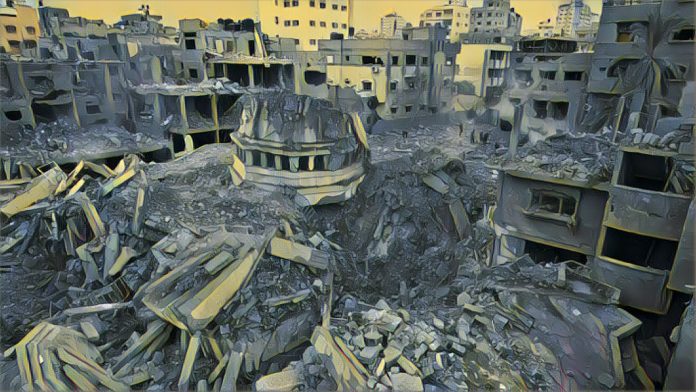
The conflict between Israel and Hamas erupted on October 7, when militants launched a surprise attack from Gaza and infiltrated Israel’s border, killing and taking hostages. Israel responded with airstrikes and declared war on Hamas a day later. The death toll has reached over 2,500 people, including 25 U.S. citizens.
The Middle East is home to some of the world’s largest oil producers, such as Saudi Arabia and Iran, and strategic shipping routes like the Suez Canal. Any escalation of the conflict could affect the flow of oil and gas in the region and increase the risk of sanctions on Iran, which has been accused of supporting Hamas.
Some analysts have suggested that the conflict could also complicate the efforts of the U.S. administration to broker a deal with Saudi Arabia to normalize ties with Israel, which could affect the kingdom’s willingness to raise its oil output.
For Nigeria, the rise in oil prices could boost its revenue in the short term, but it could also increase its import bill and inflation rate in the long run. The country is still recovering from the economic recession that followed the COVID-19 pandemic and Russia’s aggression in Europe.
The Nigerian government has revised its budget benchmark 2023 to $75 per barrel, up from $57 per barrel in 2022. However, to implement its budget effectively, the country needs to avoid disruptions in crude production and increase its output to meet its OPEC quota.
Apart from oil, other sectors of Nigeria’s economy, such as trade, tourism, and aviation, could also suffer from the impact of the conflict in the Middle East. The war could also dampen the global economic recovery and confidence that the containment of the COVID-19 pandemic had boosted.
The international community has called for an immediate ceasefire and peaceful conflict resolution. The UN Security Council has held several emergency meetings to discuss the situation but has failed to issue a joint statement due to divisions among its members.
The Nigerian government has expressed concern over the humanitarian crisis and urged both parties to respect international law and human rights. It has also pledged to support any diplomatic efforts to end the violence and restore stability in the region.
Source: Business Day

