

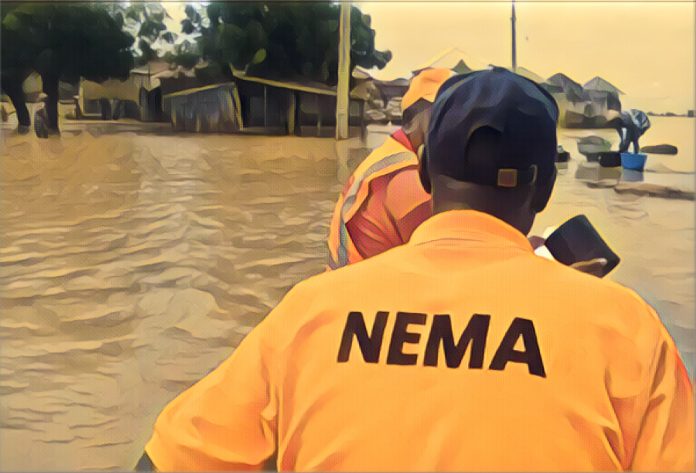
In a bid to address the growing challenges posed by floods and protect vulnerable communities, the National Emergency Management Agency (NEMA) and Anambra State have come together to put an end to land allocation along water channels.
During a recent meeting between Anambra State Deputy Governor Gilbert Ibezim and NEMA Director-General Mustapha Ahmed in Abuja, the importance of this joint effort was emphasized. Deputy Governor Ibezim expressed gratitude for NEMA’s ongoing support in managing the impact of floods in the state and appealed for further assistance.
Director-General Ahmed assured that NEMA was committed to addressing the flood-related challenges faced by Anambra State and finding effective solutions. He also highlighted the significance of the visit as a step toward strengthening collaboration between the state and NEMA in disaster risk management and building community resilience.
The move to halt land allocation along water channels is a proactive response to the recurring problem of floods in Anambra State. The allocation of land in flood-prone areas has contributed to the worsening impact of seasonal flooding, displacing communities and causing significant damage.
Similar initiatives have been undertaken in various regions to mitigate the devastating effects of floods. Recognizing the importance of preserving natural drainage systems and reducing the risk of flood-related disasters, governments and agencies have increasingly adopted measures to prevent land allocation in vulnerable areas.
In the face of climate change and its associated challenges, such as increased rainfall and extreme weather events, safeguarding communities from the ravages of floods is of paramount importance. Efforts like the one between NEMA and Anambra State demonstrate a commitment to proactive disaster risk management and the well-being of the affected communities.
While the task of halting land allocation along water channels may seem daunting, it represents a significant step toward building resilience and ensuring the safety of vulnerable populations. By taking such measures, communities can better withstand the adverse effects of climate change and environmental hazards.
In conclusion, the collaboration between NEMA and Anambra State to curb land allocation along water channels signifies a proactive response to the pressing issue of floods. It is a testament to the commitment of both parties to protect communities and build resilience in the face of climate-related challenges. As these efforts continue, there is hope that the impact of floods on vulnerable populations will be significantly reduced.
Source: Punch

