

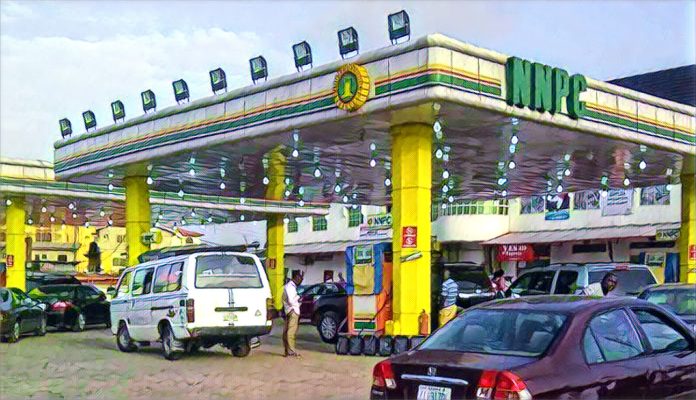
Nigeria’s state-owned oil company, NNPC, has stopped the controversial practice of swapping crude oil for petrol and started paying cash for its fuel imports. This is a major shift in the country’s oil sector reforms, which aim to eliminate costly subsidies and improve fiscal stability.
The NNPC’s latest tender for buying petrol for delivery in November closed this week, and sources told Reuters that the company had opted for cash tenders instead of oil swaps. The oil swaps involving exchanging crude oil for refined products were criticized for being opaque and prone to corruption.
The change is part of President Bola Tinubu’s reform agenda, which he launched in May after taking office. Tinubu has pledged to overhaul the country’s tax system, relax the exchange rate regime, and end the fuel subsidy that has drained billions of dollars from the public coffers.
According to the International Monetary Fund (IMF), Nigeria spent about $5.5 billion on fuel subsidies in 2022, equivalent to 2.4% of its gross domestic product (GDP). The IMF has urged Nigeria to phase out the subsidy and allow market forces to determine the pump price of petrol.
The subsidy removal has sharply increased petrol prices, from 162 naira ($0.39) per litre in April to 340 naira ($0.82) per litre in October. This has sparked public outcry and protests, as many Nigerians struggle with high inflation and poverty.
The government has promised to provide some compensation through cash transfers and other social programs to the poor and vulnerable households affected by the price hike. However, the details and implementation of these measures are still unclear.
The NNPC’s decision to pay cash for petrol imports is also expected to affect the country’s foreign exchange market and external reserves positively. The oil swaps had reduced the amount of crude oil available for export and foreign exchange earnings. By paying cash, the NNPC will free up more crude oil for sale and increase the supply of dollars in the market.
The NNPC’s reform is also in line with the long-awaited Petroleum Industry Act (PIA), which was signed into law by Tinubu in August. The PIA aims to modernize and restructure the oil sector, attract more investment, increase transparency and accountability, and ensure environmental and social sustainability.
The PIA also provides for transforming the NNPC into a limited liability company that will operate on commercial terms and be subject to taxation. The PIA also stipulates that the government will sell some of its shares in the NNPC to the public within six years.
The oil sector reforms are crucial for Nigeria’s economic recovery and diversification, as it relies heavily on oil revenues for its budget and foreign exchange. Nigeria is Africa’s largest oil producer and exporter, but it imports most of its refined products due to its dilapidated refineries.
The government hopes that reforming the oil sector will boost its fiscal space, improve its macroeconomic stability, and create more opportunities for growth and development.
Source: Business Day

