

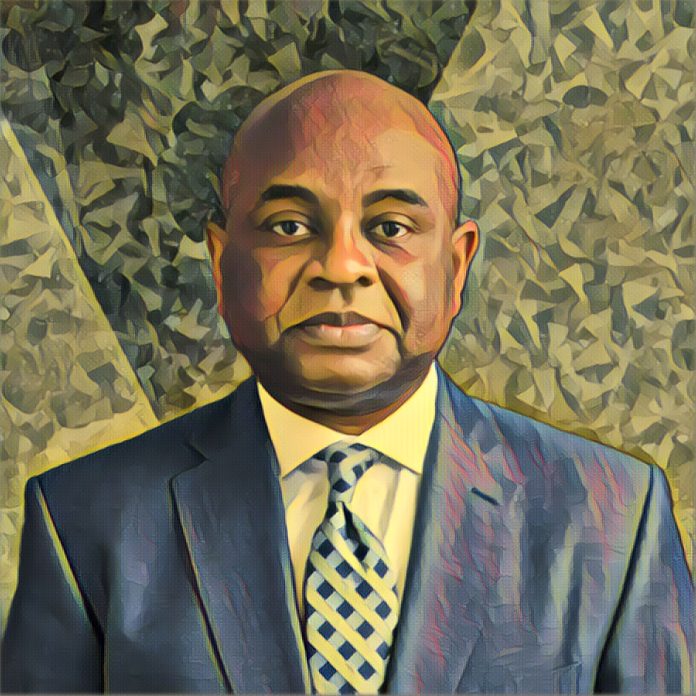
A former deputy governor of the Central Bank of Nigeria (CBN), Prof Kingsley Moghalu, has said he would ban government officials from driving imported cars if he becomes the president of Nigeria.
Moghalu, who contested in the 2019 presidential election under the Young Progressives Party (YPP), made this statement on his X account on Monday. He said Nigerian politicians should invest in and patronize local alternatives, such as Innoson Motors, instead of driving foreign-made vehicles.
He said this would show patriotic leadership and commitment to reduce the cost of governance and support the local economy. Moghalu’s statement came after the House of Representatives announced that members of the 10th National Assembly will soon get vehicles to ease their work.
According to a statement by Akin Rotimi, the Chairman of the House Committee on Media and Public Affairs, the vehicles will be procured through a transparent bidding process. However, Moghalu criticized the decision, saying it was wasteful and insensitive to the plight of millions of Nigerians who are living in poverty and insecurity.
He said the lawmakers should use public transportation or their personal vehicles, as they do in many developed countries. Moghalu is not the only Nigerian politician who has advocated for the patronage of local products and services.
In 2017, former President Olusegun Obasanjo urged Nigerians to buy and use locally made goods, saying it would boost the economy and create jobs. He also commended Innoson Motors for producing quality and affordable vehicles that can compete with foreign brands.
Innoson Motors is Nigeria’s first indigenous automobile manufacturing company, founded by Innocent Chukwuma in 2007. The company produces cars, buses, trucks, and SUVs at its factory in Nnewi, Anambra State. The company has also exported its vehicles to other African countries, such as Ghana, Sierra Leone, Mali, and Niger.
Moghalu said he believes that Nigeria can achieve economic transformation and development if it supports its local industries and entrepreneurs. He said he hopes that Nigerians will elect visionary leaders who will implement policies that will benefit the country and its people.
Source: Vanguard

