

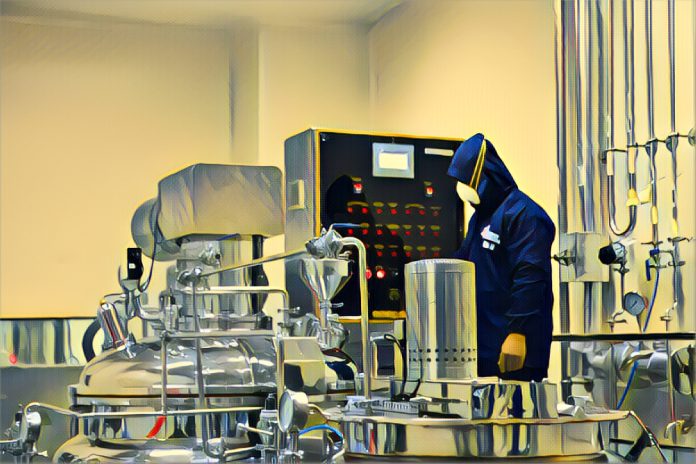
Nigeria is set to become a leading producer of anti-malaria drugs in sub-Saharan Africa by early 2024, thanks to a private-sector investment supported by the European Investment Bank (EIB).
Emzor Pharmaceutical Industries Limited, a Nigerian company, has secured a €13.85 million EIB loan to build a $23 million plant that will manufacture active pharmaceutical ingredients (APIs), the key components of medicines.
The plant, nearing completion, will initially focus on four APIs for anti-malaria drugs: artemether, lumefantrine, sulfadoxine, and pyrimethamine. These drugs are in high demand in Nigeria, where malaria is the leading cause of death and accounts for 25 percent of the global malaria burden.
Nigeria imports over 90 percent of its APIs from India and China, making it vulnerable to supply chain disruptions and currency fluctuations. The high cost of APIs also affects the local market’s affordability and quality of medicines.
By producing APIs locally, Emzor aims to reduce import dependency, lower production costs, increase competitiveness, and ensure a more resilient and reliable supply of anti-malaria drugs. The company also plans to expand its API portfolio to cover other therapeutic areas.
The project will create over 500 jobs and boost the Nigerian pharmaceutical sector, which covers only 1.5 percent of the $30 billion African market. The project will also benefit smaller manufacturers who cannot afford to buy large quantities of APIs from abroad.
The EIB said it was excited about the project and its potential impact on Nigeria’s public health and economic development and beyond.
“We are confident that the development of this facility will bring many benefits to Nigerians and the broader African pharmaceutical sector, as it will contribute to reducing import dependency and ensuring a local and more resilient supply of high-quality, competitively priced anti-malarial API,” said Arthur Delor, an investment officer at the EIB.
The project is part of a broader effort to promote local production of essential medicines in Africa, especially in light of the challenges posed by the COVID-19 pandemic. The African Continental Free Trade Area (AfCFTA), which aims to create a single market for goods and services across the continent, also offers an opportunity for expanding access to quality and affordable medicines.
Frankline Keter, chief executive officer of APIFA, a non-profit organization based in Kenya that supports local API producers, said the partnership with Emzor was a milestone for Africa’s pharmaceutical industry.
“What we are trying to do with Emzor, together with the support of EIB, is to build another supply chain center globally. The issue is not just about the self-sustainability of Nigeria but about Africa becoming a center of the supply chain so that we can take care of our needs in case of any challenges and things can move from here to Asia and Europe as well,” he said.
The project is expected to be completed by February 2024 and will mark a major step towards achieving drug security and improving health outcomes in Nigeria and Africa.
Source: BusinessDay

