

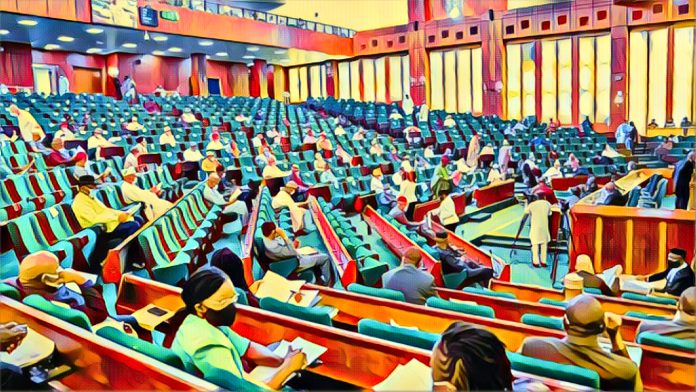
The National Assembly has approved President Bola Tinubu’s N2.176 trillion supplementary budget in response to Nigerian concerns about government spending amid hardship. The House of Representatives, heeding public outcry, eliminated the N5.095 billion earmarked for a presidential yacht. Conversely, the Senate, persuaded by the Presidency’s arguments, proceeded with approval.
The Guardian reported that the Senate has allocated N13.5 billion for presidential estate refurbishments and N1.5 billion for the First Lady’s office vehicles. The State House plans to spend N28 billion on renovations, new vehicles, and technology upgrades.
Prioritizing improved wages for public service and expansion of the Cash Transfer Programme for the needy, the Senate swiftly passed President Tinubu’s supplementary budget.
This budget sets aside N1.01 trillion for recurring expenses and N1.165 trillion for capital outlays. It channels N615 billion to the Service Wide Vote, directs N476.5 billion to Defence, and grants N300 billion to the Federal Ministry of Works.
The House has redirected the yacht funds, increasing the student loan allocation to N10 billion and boosting the Defence Ministry’s budget to N546 billion to fortify security.
Chairman Abubakar Bichi of the House Appropriations Committee has pledged a wage hike for workers and strict legislative oversight to ensure enforcement.
Initially, the budget had allocated N5 billion for a presidential yacht under the Navy’s capital expenditures, but Bichi has since rerouted this allocation to support student loans and security enhancements.
Addressing public confusion, the Presidency has stated that the budgeted yacht is for naval security, not presidential pleasure.
Despite projecting modesty and continuing the use of vehicles from previous administrations, President Tinubu and Vice President Shettima’s budget still sets aside considerable funds for State House vehicles. Presidential aides insist on the necessity for reliable transportation in the government’s extensive operations and confirm the absence of new vehicle purchases for presidential conveyance.

