

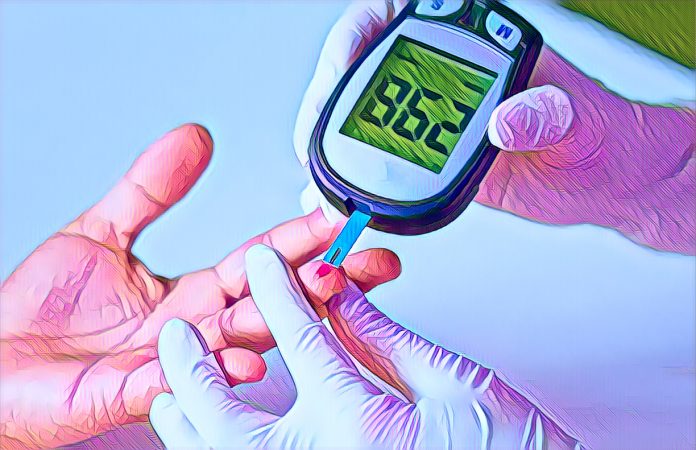
Nigeria is facing a diabetes epidemic, as millions of people are living with the chronic condition and many more are at risk of developing it. The cost of treating diabetes has skyrocketed in the country, making it difficult for patients to access the care they need.
According to the International Diabetes Federation (IDF) and the Diabetes Association of Nigeria (DAN), there are over 11.2 million Nigerians with diabetes, and 132,500 die every year from complications such as stroke, heart failure, kidney damage, blindness and limb amputations. The majority of them have type 2 diabetes, which is largely preventable by adopting healthy habits.
However, prevention and early diagnosis are hampered by the lack of awareness, resources and support for people with diabetes and those at risk. Many Nigerians do not know their risk factors or how to manage their condition. They also face challenges in accessing affordable and quality diabetes care, especially in rural areas where health facilities are scarce.
The president of DAN, Dr Mohammed Alkali, said that Nigeria loses $4.5 billion (N4.5 trillion) to diabetes every year, as the disease worsens the financial hardship for patients and their families and reduces economic productivity. He blamed the high consumption of sugar-sweetened beverages, such as soft drinks, packet juices and energy drinks, for increasing the risk of type 2 diabetes by 20 per cent.
Patients who spoke to The Guardian newspaper lamented the increase in the cost of insulin, drugs, tests and other supplies, as well as the recommended diet of fruits and vegetables. A patient with type 2 diabetes, Bernard Enyia, said he spends between N25,000 and N40,000 on care in public hospitals every month, and more if he has complications. He said the cheapest insulin, Mixtard, which used to be N3,000 per vial two years ago, is now N15,000 per vial. He also said the oral medications that used to be N9,000 per month two years ago are now N21,000.
Experts have called for more investment in diabetes care and prevention by the government and the private sector, as well as improved access to care through a better organized and well-funded health insurance scheme. They also urged Nigerians to adopt healthier lifestyles, such as eating balanced diets, exercising regularly, avoiding smoking and alcohol, and checking their blood sugar levels periodically.
World Diabetes Day, which is marked on November 14 every year, aims to raise awareness and foster understanding of diabetes and its complications. The theme for this year is Access to Diabetes Care, which highlights the need for medicine, technologies, support and care to be made available to all people with diabetes who require them.
Source: The Guardian Nigeria

