

The Panama Canal, a vital waterway that connects the Atlantic and Pacific oceans, is facing a severe drought that has forced authorities to impose restrictions on the passage of ships. This has caused delays, disruptions, and increased costs for global trade, especially for commodities such as liquefied petroleum gas (LPG), also known as cooking gas.
Nigeria, which relies on LPG imports for 60% of its domestic demand, is likely to feel the impact of the Panama Canal crisis on its cooking gas supplies and prices. According to a report by Nairametrics, a Nigerian business news website, the canal restriction has contributed to the scarcity of vessels needed for the transportation of LPG, as well as the foreign exchange challenges that affect the cost of importing the product.
The report quoted Kayode Oluwadare, a natural gas analyst, as saying that the disruption at the Panama Canal has played a major role in the rising LPG prices currently being felt across the country. He explained that most vessels, including the LPG vessels, that have to use the canal are having to either pay a premium, spend additional days or weeks on the long queues, or resort to a longer route, all of which result in high shipping and insurance costs that are passed on to the end users.
The report also cited data from the National Bureau of Statistics (NBS) that showed that the average price of refilling a 12.5kg cylinder of LPG increased by 9.75% year-on-year and 2.13% month-on-month to N4,078.65 in October 2023 from N3,987.65 in September 2023. The report projected that LPG prices might rise further as the situation around the Panama Canal is not expected to improve in the short to medium term.
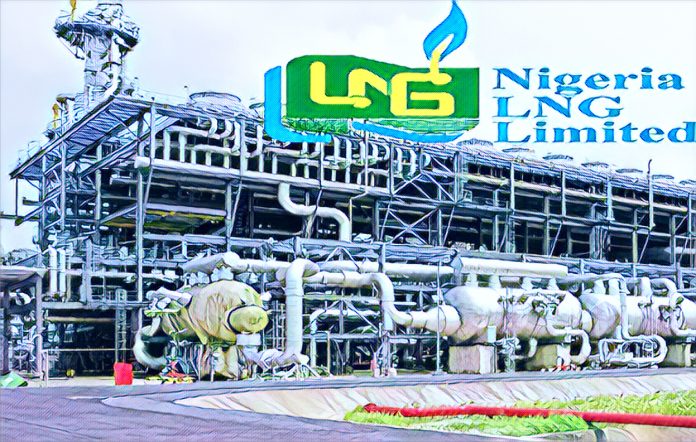
The Panama Canal crisis is not the only challenge facing Nigeria’s LPG sector. The country also suffers from inadequate local production capacity and insufficient processing and storage facilities. Despite being a sizeable LPG exporter, Nigeria still depends on the Nigeria Liquefied Natural Gas (NLNG) Limited to supply 40% of its domestic demand, while the rest is imported by marketers.
The federal government has set a target of increasing LPG consumption to five million tonnes by 2023, a project that requires about $750 million worth of LPG transport and retailing infrastructure across the country. However, this target may be jeopardized by the external and internal factors affecting the availability and affordability of LPG for Nigerians.
To address these challenges, experts have called for the development of more gas processing facilities and the enhancement of storage capacity within the country to stabilise local LPG prices. They have also urged the government to provide incentives and subsidies for LPG production and consumption, as well as to create awareness and education on the benefits of LPG as a clean and efficient cooking fuel.
LPG is considered a key component of the global energy transition, as it can help reduce greenhouse gas emissions and improve air quality. According to the World Health Organization, more than four million people die each year from illnesses attributable to household air pollution from cooking with solid fuels such as wood, charcoal, and dung. Switching to LPG can save lives, protect the environment, and promote economic development.
Source: Nairametrics

