

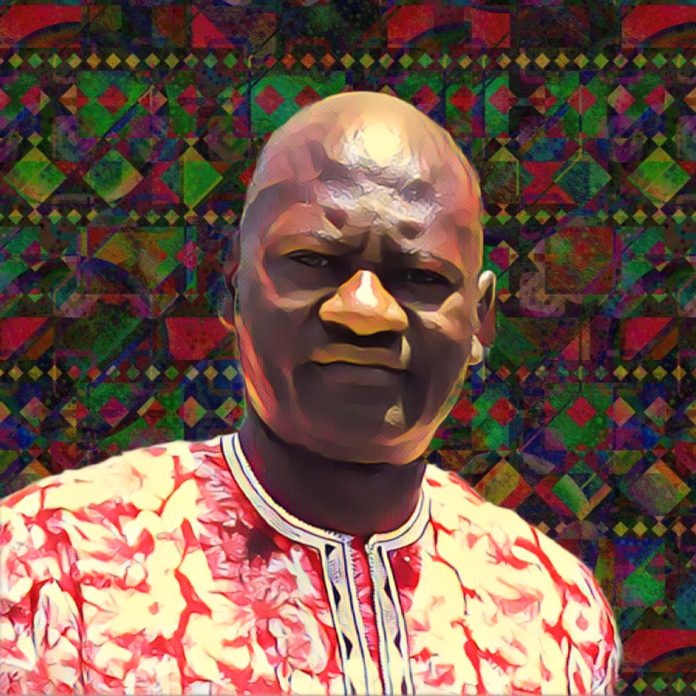
In a critical analysis of Nigeria’s economic challenges, Dr. Joseph Ochogwu, the Director General of the Institute for Peace and Conflict Resolution (IPCR), identified leadership failure as a fundamental cause. He presented this viewpoint during an event honoring former Head of State, General Yakubu Gowon rtd., with the Honorary Fellow of IPCR. The occasion was part of the “Experiential Leadership Series in Africa,” themed “Post Crisis Cohesion in Africa: Leadership and the Practise of No Victor, No Vanquished.”
According to a report by This Day Live, Dr. Ochogwu highlighted the various problems plaguing Nigeria and Africa, such as increasing crime, insecurity, and particularly a leadership crisis. These issues, he stated, have led to a decline in economic growth and development. He pointed out that political leadership in Africa is often characterized by corruption, misgovernance, nepotism, mediocrity, abuse of power, human rights abuse, and mismanagement.
Despite the continent’s abundant mineral resources, fertile lands, and strategic location, leadership failure continues to hinder the achievement of the Sustainable Development Goals (SDGs) and the Africa Union’s Agenda 2063. The United Nations’ 17 SDGs, set to be achieved by 2023, remain a distant goal due to these leadership issues, as African nations grapple with poverty, hunger, illiteracy, unemployment, and political instability.
Ochogwu stressed that these challenges pose significant threats to peace, stability, security, and economic development in Africa. To address these issues, the IPCR is partnering with TEL-Africa to facilitate discussions on leadership, security, and socio-economic development. The initiative aims to bring together African leaders to share their experiences in managing peacebuilding and cohesive practices in diverse societies.
The IPCR Director-General also emphasized the importance of inclusive policies, elite consensus, and a positive political settlement as crucial steps towards nation-building in Nigeria and Africa.
General Gowon, speaking at the event, urged Nigerians to have faith in their country. He highlighted Nigeria’s great potential despite the current challenges.
As Nigeria navigates these turbulent times, the insights and recommendations from Dr. Ochogwu and General Gowon offer a roadmap for addressing the leadership crisis and paving the way for economic recovery and sustainable development.

