

Nigeria, Africa’s most populous nation and largest economy has been struggling with chronic power shortages for decades. The country relies heavily on fossil fuels, which are expensive, polluting, and vulnerable to supply disruptions. According to the World Bank, only 55 per cent of Nigerians have access to electricity and those who do face frequent blackouts and high tariffs.
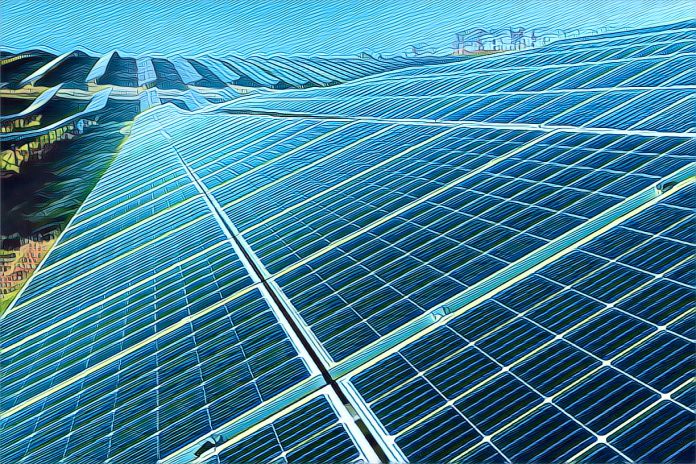
However, a new deal signed by the federal government and a US-based renewable energy company could change the situation for the better. Sun Africa LLC, a leading provider of solar photovoltaic (PV) and battery energy storage systems, has committed to delivering 961 megawatts peak (MWp) of solar PV generation infrastructure and 455 megawatt hours of battery energy storage systems, totalling $2.2 billion.
The deal was announced by Bayo Adelabu, the minister of power, on his official Twitter account on Sunday. He said that the collaboration aligns with his power sector transformation roadmap of distributed power leveraging renewable energy. He also said that the project will address Nigeria’s increasing power demand, support economic and energy sustainability objectives, and facilitate the transition to a more environmentally friendly power mix.
The deal is supported by financing partners ING Bank and Citi, backed by the United States Export-Import Bank, who have committed up to $10 billion across several years. The engineering, procurement, and construction (EPC) partner for the project is Sterling & Wilson Renewable Energy Limited, a global leader in solar EPC solutions.
The deal is part of the government’s efforts to diversify its energy sources and reduce its dependence on oil and gas. Nigeria has abundant solar resources, with an average of 6.5 hours of sunshine per day and a potential of 427,000 MWp of solar power, according to the International Renewable Energy Agency (IRENA). However, the country has only installed about 200 MWp of solar power as of 2020, mostly from off-grid and mini-grid systems.
The deal is also in line with the government’s commitment to the Paris Agreement on climate change, which aims to limit the global temperature rise to well below 2 degrees Celsius above pre-industrial levels. Nigeria has pledged to reduce its greenhouse gas emissions by 20 per cent by 2030, compared to a business-as-usual scenario, and by 45 per cent if it receives international support.
The deal has been welcomed by various stakeholders, including the West African Power Pool (WAPP), a regional organization that promotes power integration and trade among ECOWAS member states. Adelabu said that he had the honour of representing President Muhammadu Buhari at the commissioning of the WAPP’s Communication and Coordination Center in Cotonou, Benin Republic, on Friday. He said that the centre will ensure seamless power transmission and market-driven energy trading across the sub-region.
The deal has also been praised by environmentalists, who see it as a positive step towards reducing Nigeria’s carbon footprint and improving its air quality. According to the World Health Organization, Nigeria has one of the highest levels of air pollution in the world, with an estimated 114,000 premature deaths per year attributable to ambient and household air pollution.
The deal is expected to create thousands of jobs, boost local manufacturing, and stimulate innovation in the renewable energy sector. It is also expected to improve the quality of life of millions of Nigerians, especially those in rural and underserved areas, who will have access to reliable, affordable, and clean electricity.
The deal is a milestone in advancing sustainable and reliable energy solutions for Nigeria. It demonstrates the government’s vision and determination to provide accessible and eco-friendly power, shaping a more promising future for the nation.
Source: BusinessDay NG

