

Nigeria is set to improve its healthcare system by integrating rehabilitation services into its universal health coverage (UHC). This is part of the country’s commitment to implement the Rehabilitation 2030 Agenda, a global initiative launched by the World Health Organization (WHO) in 2023.
The Rehabilitation 2030 Agenda aims to address the increasing need for rehabilitation services in the world, especially in low- and middle-income countries (LMICs). According to WHO, about 2.4 billion people could benefit from rehabilitation services, which help them optimize their functioning and reduce disability caused by various health conditions and impairments.
Rehabilitation services are also essential for achieving the Sustainable Development Goals (SDGs) proposed by the United Nations, such as reducing poverty, promoting inclusive education, ensuring healthy lives, and empowering persons with disabilities.
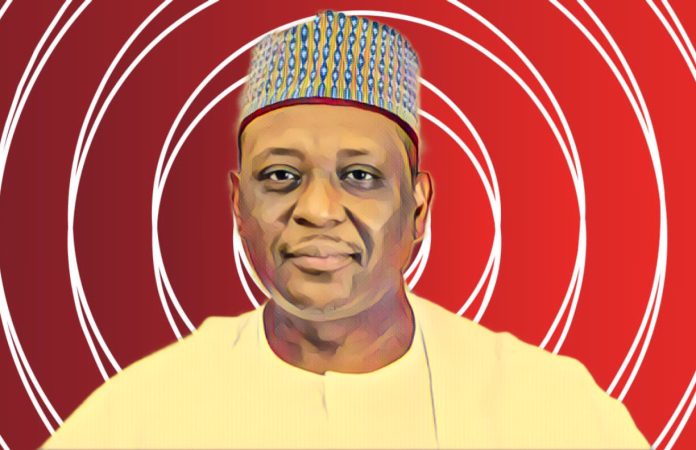
The Coordinating Minister of Health and Social Welfare, Prof Muhammad Ali Pate, announced the government’s readiness to implement the Rehabilitation 2030 Agenda at a stakeholders meeting in Abuja. He said that providing effective and efficient health care delivery is a priority of the Renewed Hope Agenda and Vision of the present administration.
He also said that the government will continue to count on the Medical Rehabilitation Therapists Board of Nigeria (MRTBN) for advice and inputs on policy formulation and programme implementation on rehabilitation services.
The Registrar/CEO of the MRTBN, Prof. Rufai Yusuf Ahmad, explained that rehabilitation is a set of interventions designed to help people achieve their full potential and participate in society. He said that rehabilitation services include physical therapy, occupational therapy, speech therapy, audiology, prosthetics and orthotics, and assistive technology.
He also said that the MRTBN is working with the Federal Ministry of Health and Social Welfare, the WHO, and other partners to strengthen the rehabilitation workforce, infrastructure, and financing in the country.
Nigeria is not alone in its efforts to improve rehabilitation services. Other LMICs, such as India, Kenya, and Ghana, have also adopted the Rehabilitation 2030 Agenda and are working to scale up their rehabilitation capacity and quality.
The resolution on ‘Strengthening Rehabilitation in Health Systems’ was adopted at the 76th World Health Assembly of the WHO on May 28, 2023. The resolution calls for a number of measures to ensure that everyone who needs rehabilitation services can access them, regardless of their income, location, or health status.
By integrating rehabilitation services into its UHC, Nigeria hopes to enhance the health and well-being of its people, especially those who are most vulnerable and marginalized. This will also contribute to the country’s economic and social development, as well as its global standing.
Source: Tribune Online

