

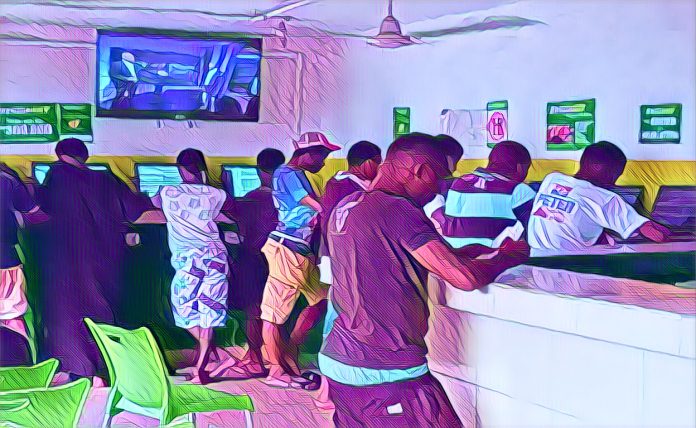
Gambling is a booming industry in Nigeria, where millions of people bet on sports, lotteries, and online games every day. But behind the glamour and excitement of gambling lies a dark reality of addiction, poverty, and depression.
According to a 2020 report, about 60 million Nigerians between the ages of 18 and 40 are involved in active sports betting, spending almost N2 billion daily. Nigeria also has the highest average monthly spending on bets in Africa, and the second-highest rate of gambling participation after Kenya.
One of the factors that fuel this gambling craze is the influence of celebrities, who endorse and promote various betting platforms. From football legends like Austin Okocha and Kanu Nwankwo to comedians like Shaggi and former Big Brother Naija stars like Tobi Bakre, many Nigerian celebrities have become ambassadors for betting companies like BetKing, Bet9ja, and Sportybet.
These celebrities use their fame, charisma, and trustworthiness to attract and persuade their fans to try their luck on gambling. They often post betting odds, tips, and winnings on their social media platforms, creating a false impression that gambling is easy, fun, and rewarding.
However, experts warn that gambling advertising has a negative impact on gambling behavior, especially among young people and those at risk of gambling harm. A recent study by the Australian Gambling Research Centre found that exposure to wagering advertising leads to riskier betting and increases the likelihood of experiencing gambling harm. Another study by IIM Ronak found that celebrity endorsement of online gambling applications significantly increases the propensity to gamble among youth.
Many Nigerians who have fallen prey to gambling addiction share their stories of regret, loss, and despair. Kingsley Uzoma, a gambling addict who has lost a lot of money and even sold properties to bet, said he regrets learning about gambling. He said he keeps betting because he needs the money to solve problems, but he often loses more than he wins. He also said he has lost the trust of his family, friends, and colleagues who see him as always making the wrong financial decisions.
Nnamdi Nelson, who has been addicted to gambling for over two decades, said he is unable to quit because he does not know how to stop the habit. He said he has reduced his staking power because the money is no longer there, but he still bets on impulse. He said he has no proof that he must win in every stake, but he still hopes for a miracle.
Emmanuel Chigozie, another gambler, said one of the things that gambling does is to give false hope, which ensures that addicts continue to gamble away their money without quitting. He said he sometimes makes a selection of 20 to 30 games and his predictions might all go right except for one or two that went wrong. He said this can cause depression for some people because they were almost close to winning but they did not.
Some experts have suggested banning gambling in Nigeria to save millions of Nigerians from the habit. Kalu Aja, a personal finance expert, described it as “an addictive cancer”. However, others have argued that banning gambling is not a feasible solution, as it would create an illegal market that does not protect gamblers. They have called for stronger regulations and taxation of the gambling industry, as well as addressing the root causes of gambling, such as poverty, unemployment, and lack of opportunities.
Despite the challenges and risks of gambling, some Nigerians have also found positive ways to cope with their addiction and recover from their losses. Some have joined support groups, sought professional help, or engaged in alternative activities that provide them with satisfaction and income. Some have also used their gambling experience to educate and warn others about the dangers of gambling and the importance of responsible gambling.
Source: Business Day

