

As 2023 draws to a close, a wave of anticipation sweeps across the globe, with only eight days remaining until the New Year. This period of reflection and planning is not just for individuals but also extends to governments, corporate entities, and businesses.
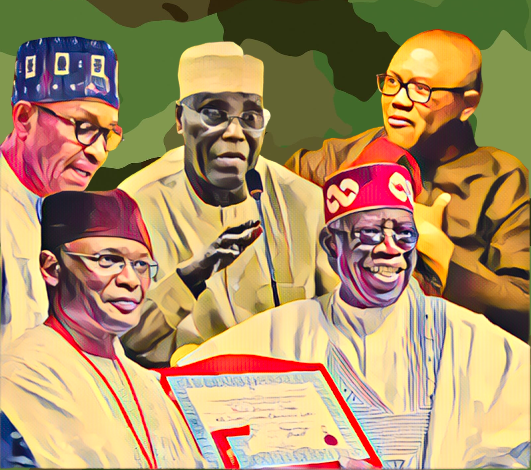
This year, Nigeria’s political scene was dominated by several key events that shaped its democratic governance. The country witnessed a power transition following the February 25 presidential and National Assembly elections. Bola Ahmed Tinubu of the APC emerged victorious with 8,794,726 votes, succeeding Muhammadu Buhari on May 29. Despite legal challenges from rivals Atiku Abubakar (PDP) and Peter Obi (Labour Party), the Supreme Court upheld Tinubu’s win, sparking debates about the judiciary’s integrity.
A significant policy shift occurred with Tinubu’s assumption of office, particularly the removal of fuel subsidies. This move, hailed by some for its boldness, has nevertheless led to increased food inflation and transportation costs, exacerbating poverty and economic hardship in Nigeria.
Another notable development was the controversial naira redesign and cashless policy initiated by former Central Bank of Nigeria Governor Godwin Emefiele. Critics lambasted the policy for its timing and adverse impacts on the populace. Emefiele’s foray into politics and subsequent legal troubles only added to the controversy. President Tinubu, alleging that the policy targeted his electoral chances, directed Emefiele to hand over his duties amid ongoing investigations into financial improprieties.
Nigeria’s influence in regional politics was tested with the military coup in Niger, where President Tinubu initially advocated for military intervention. However, the National Assembly, reflecting public sentiment, opted for economic and diplomatic sanctions instead.
Domestically, political drama unfolded in various states. In Ondo, Governor Rotimi Aderedolu’s extended medical leave and governance from Ibadan stirred controversies, eventually leading to his deputy, Lucky Aiyedatiwa, assuming the acting governor role. Similarly, in Rivers State, the explosive rivalry between former Governor Nyesom Wike and Governor Sim Fubara led to dramatic political shifts, including the defection of 27 lawmakers from the PDP to the APC.
The Edo State governorship also experienced turmoil, with a rift between Governor Godwin Obaseki and his deputy, Philip Shaibu, over the latter’s gubernatorial ambitions.
On the judicial front, the Senate confirmed 11 new justices to the Supreme Court bench, a move aimed at ensuring a more efficient justice system. This development was significant, as it addressed the lack of representation from the Southeast and North-central regions.
Meanwhile, the Nigerian Army’s decision to retire 113 senior officers, including one General and one Lieutenant General, was lauded by Defence Minister Abubakar Badaru. He praised the Army for its role in supporting democracy and urged other services to emulate this commitment.
These events, among others, not only shaped Nigeria’s political landscape in 2023 but also set the stage for future developments in a nation grappling with economic challenges, political transitions, and regional security issues. As the year ends, the focus shifts to how these developments will influence Nigeria’s path in 2024 and beyond.

