

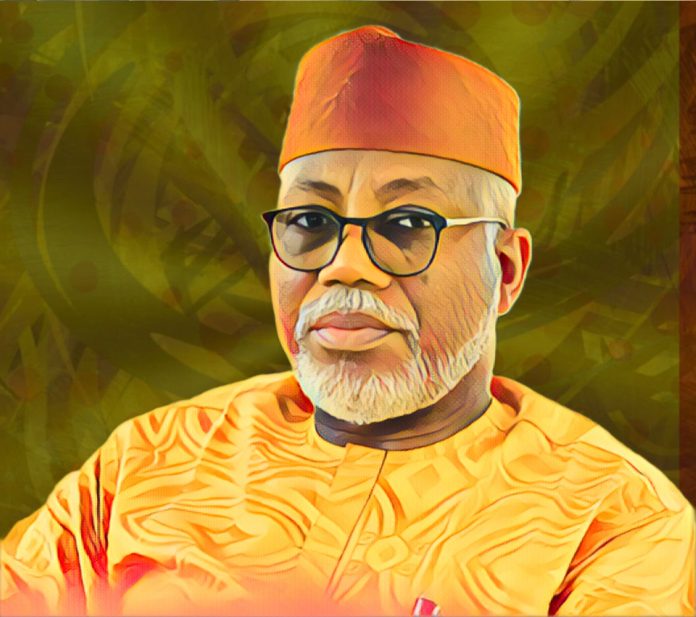
In a sudden and impactful shift, Ondo State reels from the unexpected demise of Governor Oluwarotimi Akeredolu, a development sending ripples through Nigeria’s political scene. This tragic event has notably escalated the stakes for the 2024 governorship election, a critical juncture for the All Progressives Congress (APC).
The focus now shifts to Lucky Aiyedatiwa, the new figurehead in the state’s governance. His ascent comes just months before the APC’s governorship primaries, reshaping the political landscape and the strategies of aspiring candidates.
Previously, Akeredolu and Aiyedatiwa’s relationship was notably close, with the former expressing high regard for his deputy’s loyalty and competence. However, this bond was tested by internal party dynamics and growing aspirations among other politicians.
According to a report by The Guardian, the death of Akeredolu intensifies scrutiny on President Bola Tinubu’s potential influence in the selection of the party’s candidate. The Guardian’s insights reveal aspirants eyeing presidential support, overshadowing local party leadership dynamics. This scenario marks a departure from past trends where the outgoing governor could influence succession.
Historically, Akeredolu’s initial bid for the governorship in 2012 saw significant backing but resulted in a loss to then-incumbent Olusegun Mimiko. The subsequent years witnessed fluctuating alliances and power plays within the APC, culminating in Akeredolu’s eventual victory in the 2016 primaries and the governorship election.
Current developments suggest a slowdown in political campaigning due to Akeredolu’s health and passing. Yet, the anticipation is that activities will regain momentum ahead of the April primaries.
Aiyedatiwa, now well-positioned for the APC ticket, faces competition from over ten aspirants, including notable figures such as Gbenga Oedema, Oladunni Odu, and Ifedayo Oyedele. The race appears to hinge on regional politics, with most aspirants hailing from the southern senatorial district, reflecting an informal rotational agreement.
The challenge for Aiyedatiwa lies in perceptions of his political depth and temperament. Meanwhile, contenders like Wale Akinterinwa and Chief Olusola Oke bring distinct advantages and histories to the table, shaping a complex and unpredictable race.

