

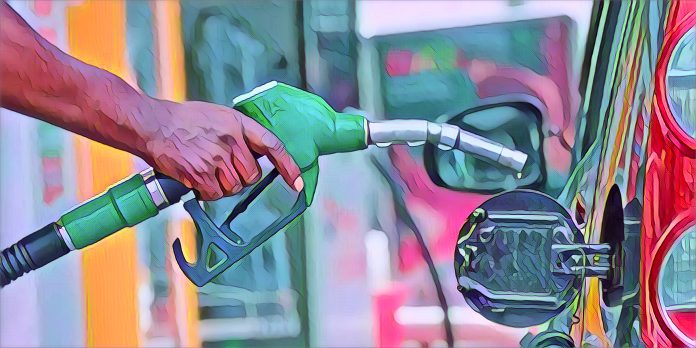
The Nigerian National Petroleum Company Limited (NNPCL) has dismissed rumors of an imminent increase in the price of petrol, saying there are no plans to review the pump price of the product.
The NNPCL’s Chief Corporate Communications Officer, Olufemi Soneye, stated on Wednesday, urging Nigerians to disregard the unfounded speculations, which he said were aimed at creating panic and confusion among the public.
He assured that there was enough supply of petrol across the country and advised motorists not to engage in panic buying.
Soneye also clarified that the NNPCL had not clashed with any party over the issue of subsidy removal, as reported by some media outlets.
He said the NNPCL had stopped paying subsidies on petrol since March 2020, following the deregulation of the downstream sector by the federal government.
He explained that the NNPCL was only operating a cost recovery mechanism, whereby it adjusted the pump price of petrol in line with the prevailing market forces.
He added that the NNPCL was working with other stakeholders to ensure the smooth implementation of the deregulation policy, which he said was in the best interest of the nation.
The NNPCL’s statement came amid growing concerns over the rising cost of living in Nigeria, as inflation hit a four-year high of 18.17 percent in March 2023, according to the National Bureau of Statistics.
The prices of food, transport, electricity, and other essential commodities have soared in recent months, putting more pressure on the already struggling masses.
Many Nigerians have also expressed fears that the removal of subsidy on petrol would lead to further increases in the pump price of the product, which is currently pegged at N626.21 per liter.
The NNPCL, however, maintained that the deregulation of the downstream sector would eventually benefit the consumers, as it would attract more investments, create more jobs, and ensure the availability of petrol at affordable prices.
The NNPCL also appealed to Nigerians to support the government’s efforts to improve the economy and provide better services to the people.
The NNPCL is a state-owned oil company that operates in the upstream and downstream sectors of the petroleum industry in Nigeria.
It was established in 2020, following the unbundling of the Nigerian National Petroleum Corporation (NNPC) into four independent entities, namely: NNPCL, Nigerian Petroleum Regulatory Commission (NPRC), Nigerian Petroleum Assets Management Company (NPAMC), and Nigerian Petroleum Liabilities Management Company (NPLMC).
The NNPCL is responsible for the exploration, production, refining, distribution, and marketing of petroleum products in Nigeria.
Source: Businessday

