

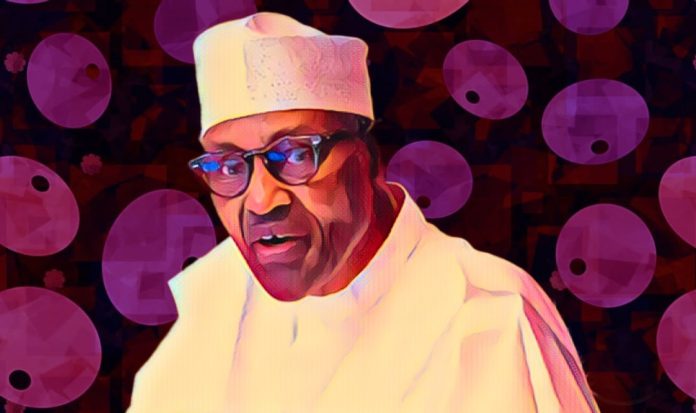
In a startling disclosure from the book “Working with Buhari” by Femi Adesina, former Special Adviser to President Muhammadu Buhari on Media, an erroneous approval of a $10 million gas contract by the immediate past Nigerian President has come to light. This approval, intended for the Nigerian Bulk Electricity Trading (NBET) Plc to facilitate a deal for the Niger Delta Power Holding Company (NDPHC) Limited, has stirred controversy and raised questions about the decision-making processes at the highest levels of government.
The contract, a World Bank Partial Risk Guarantee (PRG) for Accugas to supply natural gas to the Calabar Generation Company Limited (CGCL), part of NDPHC’s portfolio, was initially contested by Marilyn Amobi, the former Managing Director of NBET. Despite her reservations, President Buhari proceeded with the approval, later admitting to being misadvised. This revelation has emerged amidst claims of the ex-president’s signature being forged for Central Bank of Nigeria (CBN) withdrawals and outstanding debts to gas suppliers amounting to $1.3 billion.
The book provides a detailed account of a letter dated March 2, 2017, with the reference number: FMP/9055/S.1/ Vol. 1/69, highlighting President Buhari’s approval on March 27, 2017, for the contentious gas supply arrangement to CGCL. This incident underscores the complexities and challenges within Nigeria’s power sector and the government’s efforts to navigate them.
Adesina’s narrative sheds light on Buhari’s reliance on his advisors for industry-specific decisions, drawing parallels between the responsibilities of leadership positions and the inherent trust placed in advisors. The book recounts a conversation between Amobi and Buhari, where the President lamented the difficulty of making informed decisions across diverse sectors, emphasizing the impact of potentially misguided advice on governance and policy implementation.
“Working with Buhari” not only offers insights into the intricacies of administrative decisions but also prompts a broader reflection on the accountability mechanisms within Nigeria’s political and economic landscapes. As the country continues to grapple with the ramifications of these revelations, the discourse around leadership, trust, and the accurate dissemination of advice in government circles gains renewed significance.

