

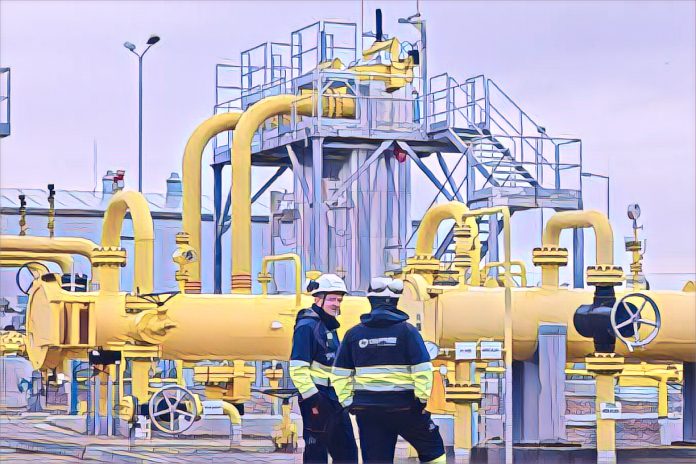
Russia’s Petrol Export Ban Poses Challenge for Nigeria and Other African Nations
In a move that has sent ripples across the global energy market, Russia has announced a six-month halt on petrol exports, starting March 1. This decision, aimed at safeguarding domestic fuel supplies amid rising demand and refinery maintenance issues, places several African countries, notably Nigeria, in a precarious position regarding their petrol importation strategies.
Russia, recognized as the world’s third-largest oil producer, has been grappling with fuel shortages since last summer, triggered by a surge in demand and ongoing maintenance activities across its refineries. The Russian government’s statement highlighted the export ban as a measure to ensure sufficient fuel availability for domestic consumption during the peak demand period, encompassing spring agricultural activities, the holiday season, and scheduled refinery maintenance.
The implications of this ban are particularly significant for African nations, including Nigeria, Libya, Tunisia, and the United Arab Emirates, which have become primary beneficiaries of Russian petrol exports. According to a report by PUNCH Online, Nigeria’s petrol imports from Russia saw an 84% increase in 2023, reaching 3.8 million litres (24,000 barrels), up from 558,300 litres (3,700 barrels) in 2022. This data underscores the growing reliance of these countries on Russian fuel supplies amidst a backdrop of geopolitical tensions and trade embargoes related to Russia’s involvement in Ukraine.
The embargo from the European Union, the UK, and the United States has compelled Russia to diversify its market, seeking alternative buyers for its petrol exports. However, the current export ban reflects Russia’s prioritization of domestic stability over international sales, especially in the lead-up to the forthcoming elections, where President Vladimir Putin seeks to reinforce his leadership.
The ban’s timing is critical, as it coincides with a period of heightened demand within Russia, necessitating measures to avert local market shortages that could have political and economic ramifications. This development follows a precedent set last year when Russia restricted diesel and petrol exports, a move that adversely affected agricultural sectors in several regions due to fuel scarcity impacting grain harvesting operations.
For Nigeria and other affected nations, this ban presents a complex challenge, necessitating a swift recalibration of their energy importation strategies to mitigate potential fuel shortages and economic disruptions. The situation underscores the intricate interdependencies within the global energy sector, where policy shifts in one nation can have far-reaching consequences on the energy security and economic stability of others.
As countries navigate the uncertainties precipitated by Russia’s export ban, the broader implications for the global petrol supply chain and international relations remain to be seen.

