

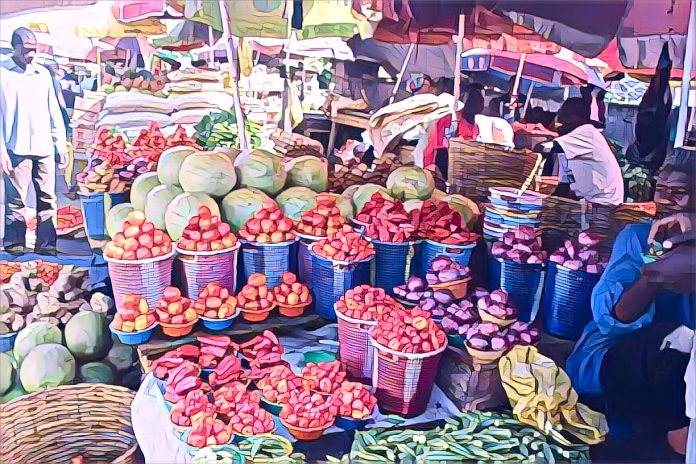
As Nigeria grapples with an escalating inflation rate, now at 31.70% as of February 2024, and expected to rise to 34% by quarter’s end, the surge in food prices is setting off alarms over potential public health crises. The Guardian Nigeria highlights the dire situation where the skyrocketing cost of living, driven by naira devaluation and the cessation of fuel subsidies, is forcing many Nigerians to compromise on both the quantity and quality of their daily meals. This worrying trend not only exacerbates the country’s malnutrition challenges but also raises concerns about broader public health implications.
In the heart of Lagos, individuals like Tope Ogundipe, a teacher with a modest monthly income, are emblematic of the harsh realities many face. The removal of fuel subsidies and currency devaluation has significantly eroded purchasing power, compelling people to adopt drastic cost-cutting measures, such as skipping meals or opting for less nutritious food options. With food inflation peaking at 35.4%, higher than the national average, the battle to afford even the basics becomes increasingly daunting.
Experts like clinical nutritionist Funmilola Ijiwola and Nigeria Health Watch’s Programme Manager, Adanna Opara, underscore the ripple effects of rising food prices on nutritional intake and health. As families are forced to choose cheaper, less nutritious foods, the risk of diet-related non-communicable diseases, malnutrition, and micronutrient deficiencies climbs, placing additional strain on an already burdened healthcare system.
The National Bureau of Statistics has introduced a ‘Cost of a Healthy Diet’ indicator, revealing a disturbing trend: the cost of maintaining a nutritious diet is escalating faster than general inflation, posing a significant barrier to achieving dietary health. With UNICEF reporting that every hour, 100 children under five die from malnutrition-related causes in Nigeria, the urgency to address this issue cannot be overstated.
Despite government efforts to alleviate the economic strain through food palliatives, critics argue these measures are insufficient and unbalanced, focusing predominantly on grains and carbohydrates. Nutritionists advocate for a more diversified approach to aid, emphasizing the importance of including a range of nutrient-rich foods to counteract the adverse effects of malnutrition.
As Nigeria confronts an anticipated increase in food insecurity, affecting an estimated 26.5 million people in 2024, the conversation around food affordability, nutrition, and public health becomes increasingly critical. Public health specialist Professor Tanimola Akande warns that the escalating food prices could reverse recent gains in child and under-five mortality rates, underscoring the need for a comprehensive strategy to safeguard the nation’s health.
Experts call for innovative solutions, such as fostering home gardening and prioritizing the purchase of nutrient-dense foods, to navigate the challenges of high food inflation. Moreover, there’s a consensus that a balanced diet is essential for health and well-being, urging individuals to seek advice from nutritionists or credible sources to make informed dietary choices despite economic hardships.
In conclusion, Nigeria’s battle against inflation and rising food prices is more than an economic issue; it’s a public health emergency that demands immediate and coordinated action. By addressing the root causes of food insecurity and implementing targeted nutritional interventions, Nigeria can hope to mitigate the worst effects of this crisis and pave the way for a healthier, more resilient population.

