

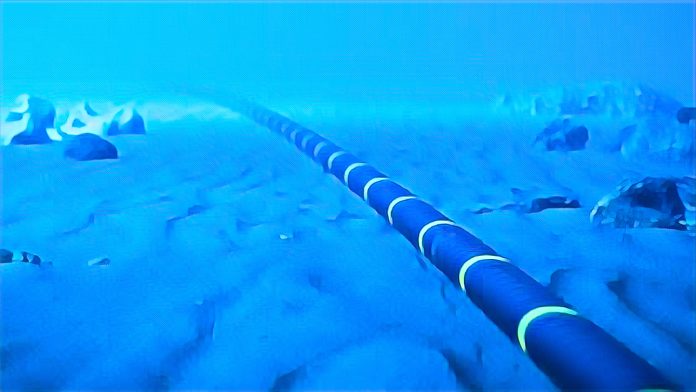
In an event that underscores the fragility of global internet infrastructure, banks and telecommunications companies across Nigeria have been grappling with significant internet outages. The disruptions stem from damage to international undersea cables, which are critical in supplying connectivity to the region. The issue began to surface last Thursday, affecting not only Nigeria but also causing widespread internet challenges across West and South Africa.
The undersea cables in question include the West Africa Cable System (WACS), the Africa Coast to Europe (ACE), MainOne, and SAT3. These cables, situated near Abidjan in Côte d’Ivoire, suffered damage that has led to downtime and connectivity issues for various sectors. As a result, some Nigerian banks have experienced network failures, rendering them unable to process transactions and impacting financial services across the country.
Telecommunications users, particularly MTN subscribers, have reported poor data services, prompting a response from the company. MTN issued an apology for the inconvenience caused by the slower internet speeds and difficulties accessing data services. The company’s statement attributed the issues to the damaged undersea cables affecting East and West Africa, assuring customers that efforts were underway to repair the damage and restore full connectivity.
The impact of the cable damage extends to South Africa, where local media outlets have reported on the extensive internet problems facing the country. Darren Bedford, the WIOCC group’s business development head, confirmed that multiple undersea cables along Africa’s West coast are experiencing outages. However, he noted that their capacity on the Equiano cable remained unaffected, and thanks to redundant capacity on the East coast’s EASSy cable, their customers should not experience service interruptions.
South African telecom operator Vodacom also acknowledged the undersea cable failures, stating that the issues are affecting network providers across South Africa and Europe. Vodacom customers have been facing intermittent connectivity issues, for which the company has extended its apologies. It has assured customers that the matter is receiving attention and expressed gratitude for their patience during the repair process.
This incident highlights the critical importance of undersea cables in global internet connectivity and the potential ramifications of their failure. As repair efforts continue, businesses and individuals in the affected regions are reminded of the interconnected nature of modern telecommunications and the challenges of maintaining a robust and reliable internet infrastructure.

