

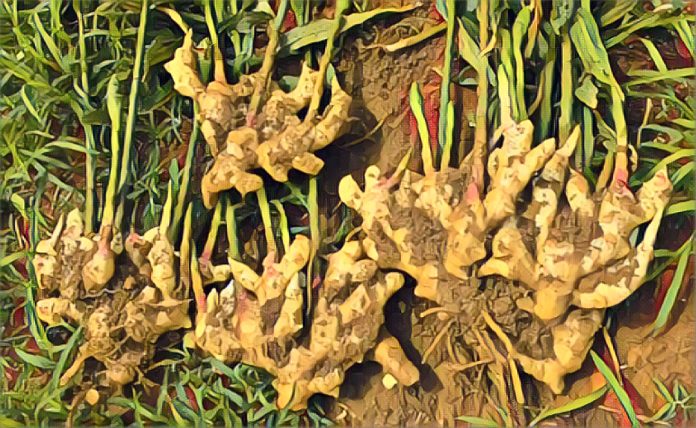
The Federal Government, through the Ministry of Agriculture and Food Security, has announced a ginger blight outbreak causing substantial economic losses exceeding N12 billion. This revelation was made by Aliyu Sabi Abdullahi, the Minister of State for Agriculture and Food Security, in Abuja. The outbreak has affected key ginger-producing areas, including Kaduna, Nassarawa, Plateau states, and the Federal Capital Territory, posing a significant threat to the ginger value chain.
Nigeria, renowned as the world’s second-largest ginger producer, is now facing a critical challenge that jeopardizes its standing in the global market. The ginger market, with its increasing demand due to the crop’s health and culinary benefits, is projected to surge from $4.16 billion in 2023 to an impressive $6.29 billion by 2030. This outbreak, therefore, not only impacts the livelihoods of countless farmers but also the nation’s economic growth, particularly at a time when the country is focusing on the “renewed hope agenda” of President Bola Ahmed Tinubu.
To combat this pressing issue, the Minister inaugurated the National Ginger Blight Epidemic Control Taskforce and announced a N1.6 billion recovery package aimed at supporting the affected farmers. This initiative underscores the government’s commitment to revitalizing the agricultural sector and mitigating the adverse effects of the outbreak on Nigeria’s economy.
The establishment of the taskforce is a strategic move to curb the spread of the ginger blight and rejuvenate the ginger subsector, which plays a crucial role in the country’s food security and contributes significantly to the Gross Domestic Product (GDP). The taskforce’s chairman, Abubakar Abdullahi, emphasized the urgency of addressing the blight to safeguard the GDP earnings from this vital subsector. The formation of various subcommittees within the taskforce aims to implement effective strategies to forestall the negative impacts of the outbreak.
This outbreak serves as a stark reminder of the importance of agricultural preparedness, highlighting the need for substantial investment in research, extension services, and farmer support systems. The swift action taken by the government reflects President Tinubu’s dedication to confronting challenges that affect the Nigerian economy and the agricultural sector’s resilience.
As Nigeria grapples with this epidemic, the collaborative efforts of the government, the National Ginger Blight Epidemic Control Taskforce, and the agricultural community are crucial in overcoming this challenge. By addressing the immediate needs of affected farmers and implementing long-term strategies to prevent future outbreaks, Nigeria can secure its position as a leading ginger producer on the global stage and ensure the sustainable growth of its agricultural sector.

