

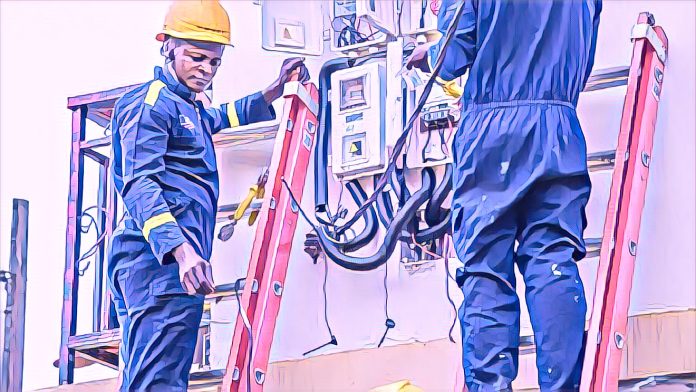
In a significant move to restructure the electricity supply framework in Lagos, the Nigerian Electricity Regulatory Commission (NERC) has recently announced an update to the electricity tariff, with particular attention to customer categorization based on the quality of service. This adjustment promises to reshape the daily experience of numerous residents across the metropolis, offering them a more reliable power supply contingent on their assigned band.
Customers classified under Band A will benefit from an impressive 20–24 hours of electricity supply each day, setting a new standard for utility service in the region. Following closely are those in Band B, with a guaranteed 16–20 hours of power. Notably, residents in Band C will now enjoy a substantial 12–16 hours of electricity daily, a significant improvement aimed at enhancing their quality of life and economic productivity. Meanwhile, Bands D and E will see minimum supplies of 8–12 and 4–8 hours, respectively, reflecting a tiered approach to energy distribution that seeks to prioritize efficiency and reliability across the board.
For those residing in Band C areas, a document from one of the electricity distribution companies has shed light on specific locales slated to benefit from this enhanced power provision. Notable areas include the AKOWONJO/Ipaja region, encompassing neighborhoods from Abesan to Ayobo, and extending to sectors like Ekoro and Ijaiye Ojokoro. Further listed are the communities around Ago, Ajao, OSHODI, and stretching through the bustling districts of IKORODU and Ogudu/Oworo, among others.
The detailed enumeration of localities within the Band C category underscores a deliberate effort to uplift a broad segment of Lagos’s population, offering them a steadier and more predictable electricity supply. This development is poised to significantly impact daily living, from residential comfort to the operational viability of small and medium-sized enterprises that form the backbone of the local economy.
As Lagosians navigate the nuances of this new tariff regime, the emphasis lies on the tangible improvements in service delivery that this categorization promises. The expectation is that, with more hours of electricity, there will be less reliance on alternative, often more expensive, power sources, thereby reducing the overall energy expenditure for households and businesses alike. Moreover, the enhanced power supply is anticipated to stimulate economic activities, especially in areas that have historically been hampered by inconsistent electricity availability.
The move by NERC, supported by the electricity distribution companies, signals a forward-looking approach to addressing the longstanding challenges of power distribution in Nigeria’s commercial hub. It reflects a nuanced understanding of the diverse needs of the Lagos populace, catering to them through a structured framework that promises to bring about significant improvements in service reliability and customer satisfaction.
As the city anticipates the rollout of these changes, the conversation among residents and business owners is increasingly focused on the potential for this initiative to catalyze growth and development across Lagos. With the promise of more reliable electricity, the prospect of enhanced economic activities, improved living conditions, and a more vibrant night-time economy becomes more tangible, setting the stage for a transformative period in the city’s trajectory towards sustainable urban development.

