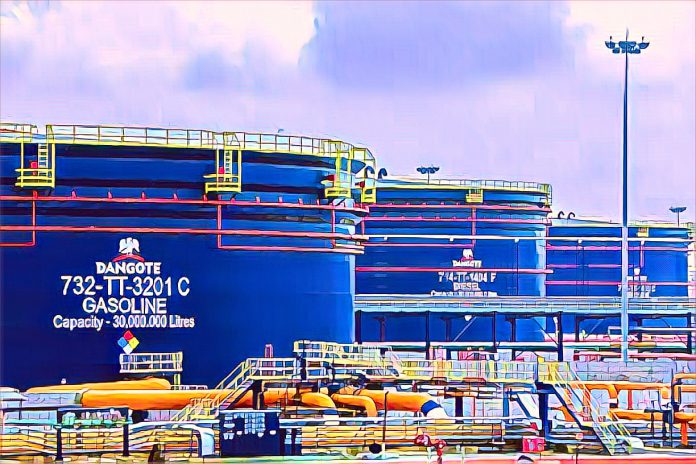
Dangote Group’s entry into the diesel market sends shockwaves through the industry, posing a formidable threat to European refiners. With Africa’s largest oil refinery now producing diesel for domestic consumption, traditional suppliers face intense competition in a market once dominated by imports.
The introduction of Dangote diesel represents a significant shift in Nigeria’s energy landscape, with far-reaching implications for both local and international players. As the continent’s leading industrial conglomerate, Dangote’s foray into diesel production underscores its commitment to driving economic growth and self-sufficiency in key sectors.
European refiners, who have long relied on Nigeria as a lucrative export market for diesel, now find themselves grappling with heightened competition from a formidable domestic rival. Dangote’s vertically integrated business model and economies of scale position it as a formidable player in the diesel market, challenging established norms and reshaping supply dynamics.
The emergence of Dangote diesel reflects broader trends in Nigeria’s energy sector, where domestic refining capacity is expanding to meet growing demand for petroleum products. By reducing reliance on imported fuels, Nigeria aims to enhance energy security, promote local industry, and create jobs while driving down costs for consumers.
While European refiners may face short-term challenges as they adjust to heightened competition, the long-term outlook for Nigeria’s diesel market is promising. Increased competition is likely to spur innovation, efficiency gains, and price moderation, benefiting consumers and promoting market dynamism.
As Dangote Group continues to ramp up production at its refinery complex in Lagos, the company’s expansion into the diesel market heralds a new era of self-reliance and industrial prowess for Nigeria. With strategic investments in refining capacity and logistics infrastructure, Nigeria is poised to emerge as a major player in the global energy landscape.
Source: Business Day