

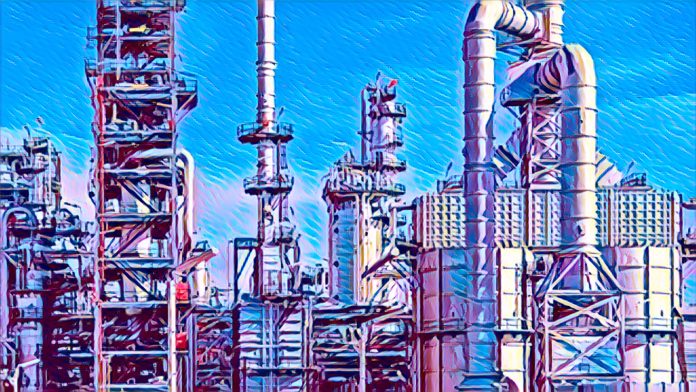
Despite the completion of major refinery projects such as the Port Harcourt and Dangote refineries, Nigeria still heavily relies on imported fuel. This overreliance on importation has caused significant disruptions in the local fuel supply chain, as evidenced by recent fuel shortages and long queues at petrol stations across various states including Abuja and Kaduna. The situation is further compounded by the fluctuating Naira, which has dipped to N1,450 per dollar, adding financial strain to fuel procurement and distribution processes.
Nigeria has been facing ongoing challenges in refining capacity, which were expected to be resolved by the operationalization of the Port Harcourt refinery and the highly anticipated Dangote Refinery. However, the Nigerian National Petroleum Company Limited (NNPCL) continues to be the sole importer of Premium Motor Spirit (PMS), grappling with logistical issues and price control measures amidst fluctuating foreign exchange rates.
The recent fuel scarcity highlights deeper systemic issues within Nigeria’s oil and gas sector, primarily driven by insufficient local refining capacity and over-reliance on imports. The delays in local production capabilities, particularly at Dangote Refinery, which has yet to start refining gasoline, further complicate the situation. While the refinery has begun producing diesel and aviation fuel, contributing to a reduction in prices, its full potential remains untapped.
International logistics further complicates this scenario, as highlighted by the challenges faced by a cargo ship attempting to deliver U.S. crude to the Dangote Refinery. Payment issues and complications with ship-to-ship transfers have delayed this delivery, leading to significant demurrage costs and exacerbating the local supply shortages.
Economically, the continuous importation and the associated costs are a significant burden. The high cost of fuel, driven by global oil prices and the weakened Naira, impacts every facet of Nigerian life, from the cost of goods and services to transportation and manufacturing. This situation underscores the critical need for Nigeria to enhance its refining capacity to reduce dependency on imported fuels.
Strategically, the Nigerian government and the NNPCL have recognized these challenges and are taking steps to address them. This includes collaborations with other entities to boost local refining capacity. The recent co-location deal signed with African Refinery to enhance the Port Harcourt refinery’s output is a step in this direction. This partnership aims to increase refining capacity and ensure a more stable fuel supply in the future.
However, a more robust and comprehensive approach is required for Nigeria to overcome these challenges. This involves upgrading physical infrastructure and improving regulatory frameworks to encourage investment in the oil and gas sector. Additionally, enhancing transparency and efficiency within the sector will be crucial to gaining public trust and investor confidence.
The government’s efforts to stabilize the currency and manage foreign exchange reserves are commendable but must be part of a broader strategy that includes substantial investments in infrastructure, particularly in the energy sector. By doing so, Nigeria can better manage its resources, reduce reliance on imports, and build a more resilient economy.
While the NNPCL and other stakeholders are making efforts to address these issues, the path forward requires a concerted and sustained effort from all sectors of government and industry. Building a self-sufficient energy sector that can meet domestic needs and reduce economic vulnerability to global oil price fluctuations is imperative. This will not only ensure energy security but also support Nigeria’s broader economic goals and improve the overall well-being of its citizens.

