

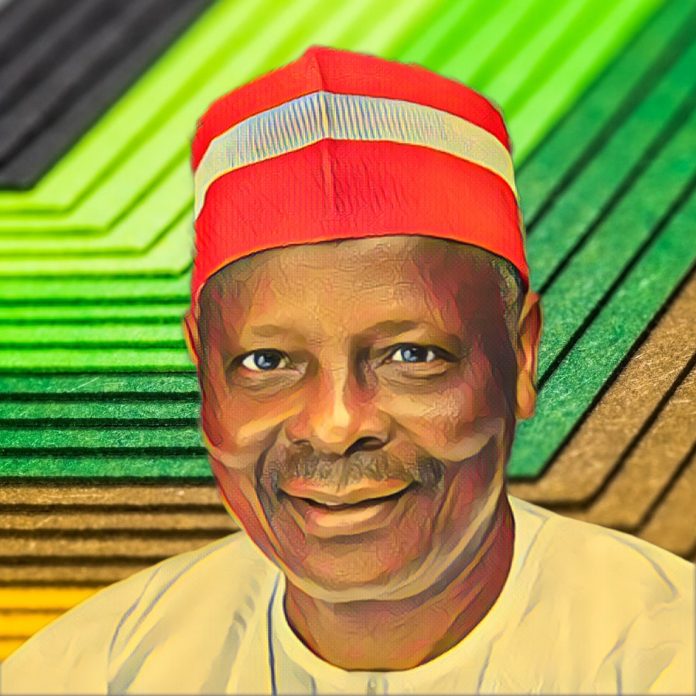
Rabiu Kwankwaso, the former governor of Kano State, is currently being investigated by the Economic and Financial Crime Commission (EFCC) about an alleged N2.5 billion pension fraud. The investigation was initiated by allegations that substantial pension funds were mismanaged under Kwankwaso’s administration.
Kwankwaso was called in and questioned in-depth about the purported misappropriation, according to EFCC sources who asked to remain anonymous because of the delicate nature of the probe. Regarding the purported N2.5 billion in Kano pension funds, Kwankwaso was invited by the commission. We have interrogated Kwankwaso about the issue, and he has given interrogators some details,” an insider revealed.
This investigation is a component of a larger investigation concerning financial issues related to Kano State pensions. Earlier this year, in a related incident, the Abuja Zonal Command of the EFCC turned over records linked to 324 residences that were found and given back to retirees in Kano State. It is reported that officials from two successive state administrations stole these properties, originally meant for the pensioners and worth N4.1 billion.
EFCC spokesperson Dele Oyewale gave a background of the case during the handover event in March 2023. According to him, the Kano State government and the Kano State Pension Trust Fund had signed a three-party agreement for the construction of housing estates for a total sum of N41 billion, of which the Pension Trust Fund was to contribute N4.1 billion.
However, this money was allegedly diverted by officials, who then sold the properties to their associates at discounted prices, leaving the pension fund trustees with unfinished and undervalued estates. “Concerned Kano State Workers and Pensioners filed a petition alleging theft of pension funds in the state, and the EFCC looked into it. The 324 properties were finally forfeited to the Kano State Pension Fund Trustees after our investigation revealed serious irregularities and fraudulent activity,” Oyewale said.
The pensioners expressed relief and thanks upon the recovery of their properties, which was a noteworthy accomplishment for the EFCC. Alhaji Hassan Muhammed Aminu, Kubra Ahmad Bichi, and Salisu Yakubu Abubakar, representatives of the Kano State Pension Board, accepted the property documents on behalf of the employees and pensioners and expressed gratitude to the EFCC for their efforts in reclaiming the assets.

