

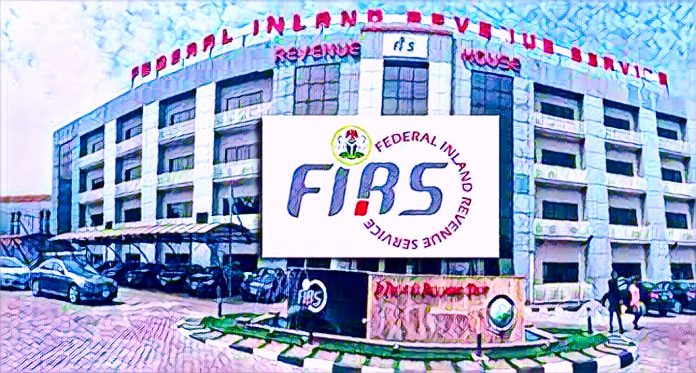
Nigeria’s revenue-collection agencies, including the Federal Inland Revenue Service (FIRS), Nigeria Customs Service (NCS), and Nigerian Upstream Petroleum Regulatory Commission (NUPRC), shared N214.29 billion as the cost of revenue collection in Q1 2024. This marks a 131% increase from N92.85 billion in the same period the previous year.
An Abuja-based think tank, Agora Policy, reported that the N43 billion cost of collection received by FIRS in January exceeded what each state got from the Federal Account Allocation Committee (FAAC) revenue. The report criticized the disproportionate allocation, which burdens states already facing numerous challenges.
The FAAC disbursements report, published by the National Bureau of Statistics (NBS), reveals these agencies collectively received N214.29 billion in Q1 2024. This surge includes deductions of about 4% by FIRS and NUPRC and 7% by NCS.
The NCS saw its cost of collection more than double, rising from N29.92 billion in Q1 2023 to N59.85 billion in Q1 2024. This 100.18% increase suggests improved revenue collection activities, likely driven by better border control measures or increased import and export activities.
The FIRS reported a significant 115.53% increase in its collection costs, jumping from N46.60 billion in Q1 2023 to N100.40 billion in Q1 2024. This substantial growth reflects expanded tax collection efforts, potentially due to better tax compliance measures and heightened economic activities.
The NUPRC experienced the most dramatic rise, with its cost of collection increasing by 230.68%, from N16.34 billion in Q1 2023 to N54.05 billion in Q1 2024. This surge indicates intensified regulatory activities in the upstream petroleum sector, possibly driven by new oil field discoveries and increased crude oil production.
In January 2024, the total cost of collection for the three agencies was N78.30 billion, a 129.98% increase compared to January 2023’s N34.05 billion. February saw a total collection cost of N66.46 billion, a 142.16% increase from N27.45 billion in February of the previous year. March’s total collection cost was N69.54 billion, marking a 121.81% increase from N31.35 billion in March 2023.
The Presidential Fiscal and Tax Reforms Committee had recommended reducing the cost of collection to 1% to align with global best practices. During a stakeholder consultation in Abuja, the committee, led by Taiwo Oyedele, recommended consolidating revenue collection under one agency and renaming FIRS to Nigerian Revenue Service (NRS) to serve as the sole revenue collecting agency in Nigeria.
Oyedele noted that the current cost of revenue collection in the country ranges between 4% and 35%, a situation he described as unacceptable. The committee’s recommendations aim to streamline revenue collection and ensure fairer distribution of resources across states.
This significant increase in revenue collection costs underscores the need for efficient management and allocation. As Nigeria continues to face economic challenges, ensuring that revenue collection practices are optimized and equitable remains crucial.

