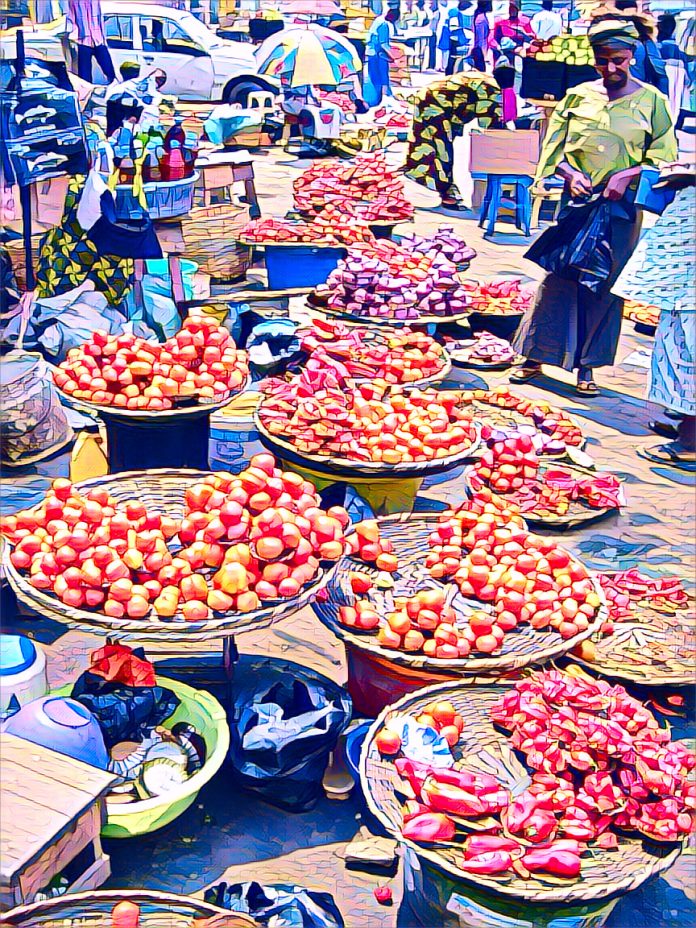
Lagos, Nigeria – Nigerian consumers are feeling the pinch as inflation continues to erode their purchasing power, with recent reports indicating that ₦7.6 trillion in consumer spending has been wiped out over the past year. This alarming trend highlights the ongoing economic challenges facing the country, as the value of the naira continues to decline.
The National Bureau of Statistics (NBS) reported that Nigeria’s inflation rate has soared to its highest level in years, driven by rising food and fuel prices. The impact on consumers has been severe, with many struggling to afford basic necessities as their incomes fail to keep pace with escalating costs.
Economists attribute the inflation surge to a combination of factors, including supply chain disruptions, currency depreciation, and policy missteps. “The persistent rise in inflation is eroding the real value of consumers’ incomes, making it increasingly difficult for households to maintain their standard of living,” said Dr. Bismarck Rewane, a leading economist and CEO of Financial Derivatives Company.
The decline in consumer spending power has far-reaching implications for Nigeria’s economy. Retailers and businesses are reporting decreased sales, leading to a slowdown in economic activity. “We are seeing a significant drop in consumer demand, which is hurting businesses across the board,” noted Akinwale Afolabi, a retail business owner in Lagos. “People simply cannot afford to buy as much as they used to.”
The food sector has been particularly hard hit, with prices of staples such as rice, beans, and yams skyrocketing. According to the NBS, food inflation has consistently outpaced overall inflation, reaching nearly 25% in recent months. This has led to increased food insecurity for many Nigerian families, particularly those in low-income brackets.
In response to the inflation crisis, the Central Bank of Nigeria (CBN) has implemented a series of monetary policy measures aimed at stabilizing the currency and controlling price levels. However, these efforts have had limited success, and critics argue that more comprehensive structural reforms are needed to address the root causes of inflation.
The government’s fiscal policies have also come under scrutiny, with some analysts pointing to excessive public spending and debt accumulation as contributing factors to the inflationary pressures. “There needs to be a coordinated approach that includes both monetary and fiscal policies to effectively tackle inflation,” said Ngozi Okonjo-Iweala, Director-General of the World Trade Organization and former Nigerian Finance Minister.
As the situation continues to deteriorate, ordinary Nigerians are calling for urgent action to alleviate their economic woes. “We need the government to step in and provide relief,” said Chika Okeke, a primary school teacher in Abuja. “Everything is getting more expensive, and our salaries are not increasing. It’s becoming impossible to make ends meet.”
Despite the challenges, there is some hope that targeted interventions and international support could help stabilize the economy. Efforts to boost domestic production, improve supply chains, and enhance social safety nets are seen as crucial steps in mitigating the impact of inflation on vulnerable populations.
The Nigerian government has pledged to prioritize economic stabilization and support for affected households. President Muhammadu Buhari recently announced plans to increase funding for social programs and expand initiatives aimed at boosting agricultural production and reducing reliance on imports.
While the road to recovery may be long, many Nigerians remain resilient and hopeful for a brighter economic future. “We have faced tough times before, and we will get through this,” said Adeola Balogun, a market trader in Ibadan. “But we need our leaders to act quickly and decisively to protect our livelihoods.”
Source: businessday.ng