

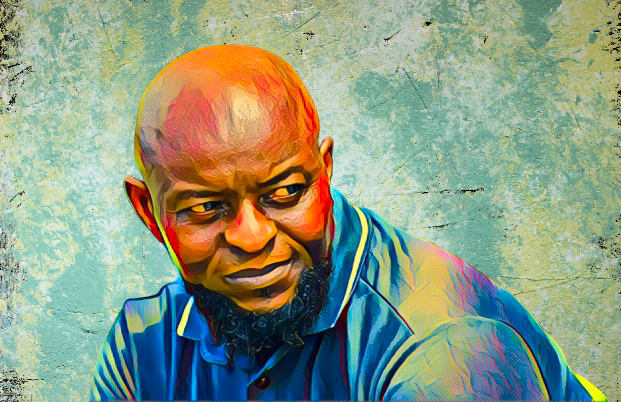
The resignation of Finidi George as coach of Nigeria’s national football team, the Super Eagles, has reignited debate over whether a foreign or local coach is best for the team. Nigeria, blessed with young football talent, has seen its football fortunes decline since its debut at the 1994 World Cup.
The decline has been evident, especially after Nigeria’s disappointing performances in recent matches. Finidi George saw the writing on the wall after failing to win his first two matches. A 1-1 draw with South Africa and a 2-1 loss to Benin Republic highlighted the team’s struggles.
However, the challenges facing the Super Eagles go beyond the coach. The team’s underperformance raises questions about Nigeria’s football management and future prospects. The loss to Ghana, which cost Nigeria a spot in the last World Cup, still lingers in the minds of fans. Poor performance in qualifiers for the next World Cup further casts doubt on the team’s future.
Nigerians remember the 1989 U-17 World Cup in Scotland, where Nigeria showed promise and earned global acclaim. The late King of Football, Pele, predicted Nigeria would win the World Cup before 2000, but that dream remains unfulfilled.
In 1994, Nigeria exited the World Cup as one of the most entertaining teams. The country returned to win the Olympic gold in 1996, but that success has not been replicated at the senior level. Observers wonder why a country with abundant talent has not transformed its potential into a championship-winning team.
Political instability and economic challenges often affect football success. Countries with stable politics and strong economies tend to excel in global competition. In Nigeria, the recruitment process and official interference are significant hurdles.
Clemence Westerhof, a foreign coach, succeeded with the Super Eagles partly due to his direct access to the Chief of General Staff, who ensured he had the necessary support. In contrast, many local coaches have faced undue interference from football officials.
Foreign coaches are often favored, despite their limited understanding of the local culture and players. No foreign coach has ever won the FIFA World Cup for any country. Successful teams require coaches who understand their players’ psychological makeup and can inspire them.
National team meetings are brief, lasting only a few days before matches. This makes it difficult for any coach, especially a foreign one, to fully understand the players. Clemence Westerhof was given five years to build a formidable Super Eagles team, a luxury not afforded to many local coaches.
To improve, the composition of the Nigerian Football Federation (NFF) board must reflect competence and independence. Coaches should not be forced to include unqualified players. There should be a robust program for coaches’ education, ensuring a steady supply of qualified managers.
In selecting indigenous coaches, only the best should be chosen. Coaches should come without preconceived notions about certain players. The NFF and the Ministry of Sports must also focus on developing the Nigerian Premier Football League (NPFL) to produce top players for the national team.
Stephen Keshi’s success in the 2013 African Cup of Nations with a mix of home-based and overseas players is a testament to the potential of local talent. Great Nigerian players like Rashidi Yekini and Austin Okocha were discovered locally and nurtured to stardom.
A team of players who do not understand the significance of playing for Nigeria will always fall short. The NFF must also develop the financial capacity to pay coaches adequately. This ensures they get the best from their coaches and attract top talent.
The future of Nigerian football hinges on competent leadership, proper management, and the nurturing of local talent. The resignation of Finidi George is a wake-up call for Nigerian football authorities to address the underlying issues and pave the way for the Super Eagles’ resurgence.
The focus must be on creating a supportive environment for both players and coaches. By addressing these issues, Nigeria can reclaim its place in international football and fulfill its potential.

