

There’s an old Chinese saying that many leaders and economists love to quote: “Give a man a fish, and you feed him for a day. Teach him how to fish, and you feed him for life.” This saying highlights a critical difference between short-term solutions and long-term strategies. In Nigeria today, this difference is more important than ever.
When a government sets its economic policies, it reveals a lot about its intentions toward its people. Effective governance means creating policies that offer everyone opportunities to succeed and become self-reliant. This can be done through subsidies, financial support, and investments in critical industries. But what happens when a government takes the easier route—giving out handouts instead of empowering its citizens?
To understand where we are now, let’s take a look at history. In October 1995, General Sani Abacha, Nigeria’s then-military ruler, increased the price of petrol. To offset the impact of this price hike, he established the Petroleum Trust Fund (PTF) and put retired Major General Muhammadu Buhari in charge. The PTF was supposed to use the extra money from the fuel price increase to fix the country’s broken infrastructure.
While the PTF didn’t exactly teach Nigerians how to “fish,” it did provide them with some real economic relief. Under the PTF, federal roads were repaired, public hospitals were re-equipped, and schools were rebuilt. Some people even saw the PTF as an “alternative” government because it made such a noticeable difference. However, the PTF was later criticized for favoring the northern part of Nigeria and for being involved in large-scale corruption.
Ironically, when Buhari returned as Nigeria’s president in 2015, the idea of government palliatives (short-term fixes) became a way to deepen corruption rather than alleviate suffering. Programs like “School Feeding,” “Trader Money,” and “Conditional Cash Transfers” were introduced, even though Nigeria was facing economic recessions. Critics argued that these programs ignored the need to invest in the country’s productive sectors—the parts of the economy that create jobs and wealth.
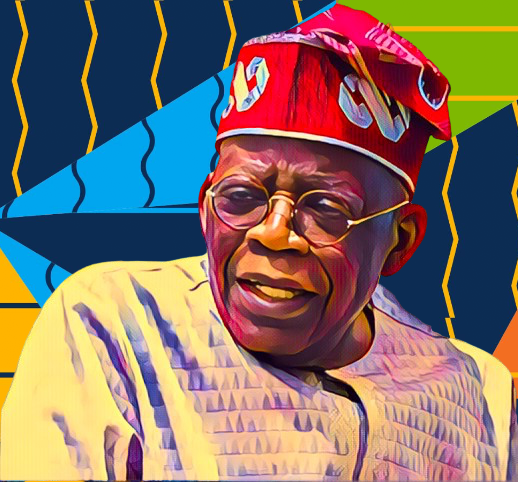
Unfortunately, President Bola Tinubu seems to be following in the same footsteps. After removing subsidies on petrol and electricity and allowing the Naira to float freely, Tinubu’s administration has offered palliatives that seem to benefit only a select few. The promised Compressed Natural Gas (CNG) buses for mass transit have not materialized, and the grains supposedly released from national reserves haven’t made any noticeable impact. Many Nigerians are still waiting to see the trucks of rice that were promised, which were supposed to be sold at N40,000 per bag.
Palliatives, by definition, are short-term solutions. They are meant to be used in emergencies, like during the COVID-19 lockdowns when people couldn’t work and needed immediate help. But using palliatives as a regular part of economic policy is problematic. It’s like giving people a fish every day instead of teaching them how to fish.
When the government removes subsidies and floats the Naira, it needs to reinvest heavily in the sectors that can boost productivity and create jobs. This is how to build a strong economy that doesn’t rely on constant handouts. Unfortunately, what we’re seeing now is the opposite: the government is giving out rice and cash, which does little to help people become self-reliant or to grow the economy in the long term.
Sending out rice and cash more than a year after removing petrol subsidies is not enough. It’s a band-aid solution to a much deeper problem. These handouts, which are often riddled with corruption, do nothing but keep people dependent on the government. Instead of helping Nigerians stand on their own feet, these palliatives are turning them into beggars.
For Nigeria to thrive, it needs real economic reforms that focus on increasing productivity and self-reliance. The government should target its efforts on creating jobs and wealth, not just handing out rice and cash. These short-term fixes only mask the deeper issues and keep the cycle of poverty and dependency going.
Nigeria has the potential to be a leader in Africa, but only if it stops relying on quick fixes and starts making tough choices that will lead to long-term growth. This means investing in industries that can create jobs, supporting small businesses, and building infrastructure that will last for generations.
In conclusion, Nigeria doesn’t need more palliatives; it needs a strategy that empowers its people to take control of their own futures. It’s time to stop handing out fish and start teaching Nigerians how to fish. Only then can the country move forward and truly prosper.

