

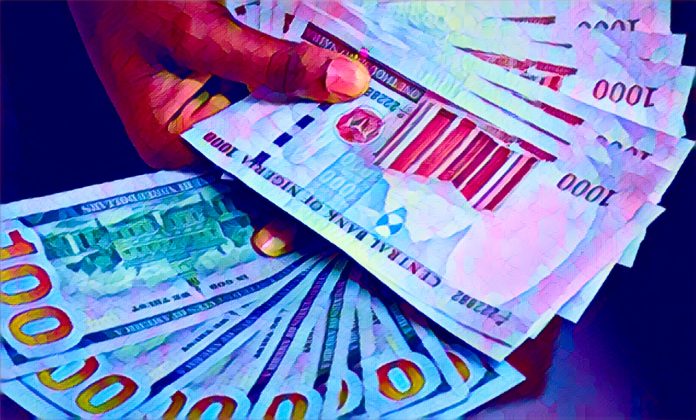
Nigeria’s foreign exchange (FX) market is facing significant challenges as it struggles to regain momentum amidst a series of economic pressures. Despite recent government efforts to stabilize the market, the country’s FX system remains under strain, with liquidity shortages and volatility continuing to hamper economic recovery.
The FX market, crucial for international trade and investment, has been plagued by inefficiencies and a lack of transparency. For years, multiple exchange rates have created confusion and uncertainty, deterring investors and complicating business operations. The Central Bank of Nigeria (CBN) has attempted various interventions, including adjustments to the official exchange rate and the introduction of policies aimed at unifying the market, but the desired stability has been elusive.
One of the primary issues facing the FX market is the ongoing scarcity of foreign currency, particularly the U.S. dollar, which is in high demand for imports, debt servicing, and other international transactions. The shortage has led to a widening gap between the official exchange rate and the parallel market rate, further fueling speculation and hoarding.
Businesses, especially those reliant on imported goods and services, have been hit hard by these conditions. Many are struggling to obtain the necessary foreign exchange to meet their obligations, leading to production delays, price increases, and in some cases, a complete halt in operations. The manufacturing sector, a key driver of economic growth, has been particularly affected, with companies finding it increasingly difficult to source raw materials.
In addition to the liquidity crisis, the FX market’s structure has contributed to its sluggish recovery. The presence of multiple exchange rates and the CBN’s tight control over the official rate have led to inefficiencies and reduced confidence among market participants. Efforts to liberalize the market have been met with resistance, as concerns about inflation and currency devaluation loom large.
The Nigerian government has recognized the critical need to address these issues. Recent policy measures have focused on improving transparency and increasing access to foreign exchange. For instance, the CBN has been working on enhancing the FX auction system and has introduced measures to boost dollar inflows, such as encouraging diaspora remittances and attracting foreign investment.
However, these efforts have yet to yield significant results, and the FX market remains in a precarious state. Experts argue that more comprehensive reforms are needed to restore confidence and drive a sustainable recovery. This includes addressing structural problems within the economy, such as diversifying exports, reducing dependence on oil revenue, and fostering a more business-friendly environment.
The stakes are high for Nigeria, as a well-functioning FX market is essential for economic stability and growth. Without a reliable supply of foreign currency and a transparent, efficient exchange rate system, the country risks prolonged economic stagnation. As the government and the CBN continue to grapple with these challenges, the road to recovery for Nigeria’s FX market appears uncertain.
Despite the current difficulties, there is hope that with the right policies and sustained effort, Nigeria’s FX market can be revitalized. A stable and robust FX system would not only support domestic businesses but also attract foreign investment, contributing to broader economic recovery and development.
Source: Business Day

