

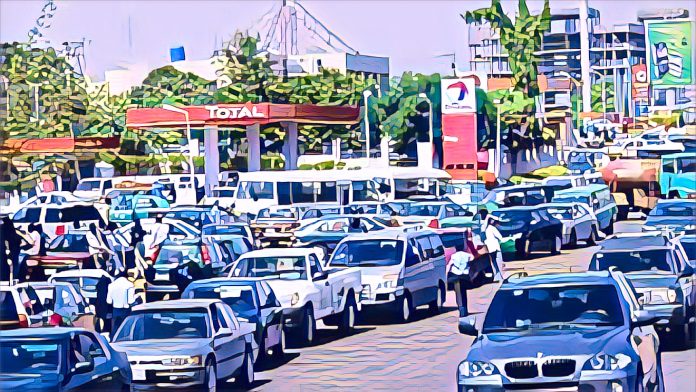
Fuel shortages have hit Lagos and surrounding areas hard, leading to long lines at gas stations and frustration among drivers. Many independent oil marketers have shut down their stations due to a lack of fuel, leaving motorists scrambling to fill up at the few remaining stations operated by major oil companies and NNPC Ltd.
These major stations, which still have fuel to sell, are keeping their prices around N580 per liter. However, independent stations that remain open are charging significantly more, with prices ranging from N850 to N970 per liter depending on the location. This drastic difference has led to increased transportation costs, with fares rising sharply as drivers pass the higher costs on to passengers. For example, a trip from Ikorodu to Lekki, which used to cost about N3,000, now costs around N5,000.
Adding to the chaos, officials from the Nigerian Midstream and Downstream Petroleum Regulatory Authority (NMDPRA) were noticeably absent from fuel stations, which allowed some sellers to take advantage of the situation and charge even higher prices. The NMDPRA is supposed to oversee fuel distribution and pricing, but without their presence, many stations took advantage of desperate consumers.
Dapo Segun, Vice President of Downstream Operations at NNPC, explained that the recent fuel shortage is partly due to natural causes like heavy rains and bad weather, which have made transporting fuel more difficult. The rains have caused silt build-up in the Estravos channel, a key route for moving petroleum products across Nigeria. This, combined with the country’s poor road conditions, has made it even harder to get fuel to where it’s needed.
Meanwhile, Festus Osifo, the President of the Petroleum and Natural Gas Senior Staff Association of Nigeria (PENGASSAN) and the Trade Union Congress (TUC), blamed the country’s economic policies for the worsening fuel crisis. He highlighted that the government’s decision to float the naira has led to severe devaluation, driving up the cost of imported goods, including fuel. This, he says, is a big reason why fuel prices have skyrocketed and why many Nigerians are struggling to make ends meet.

