

KEY POINTS
- Naira dropped by 91.01 points at the official market.
- The Presidential aide had earlier celebrated a N81 gain.
- Parallel market exchange rates fell from N1,650 to N1,655.
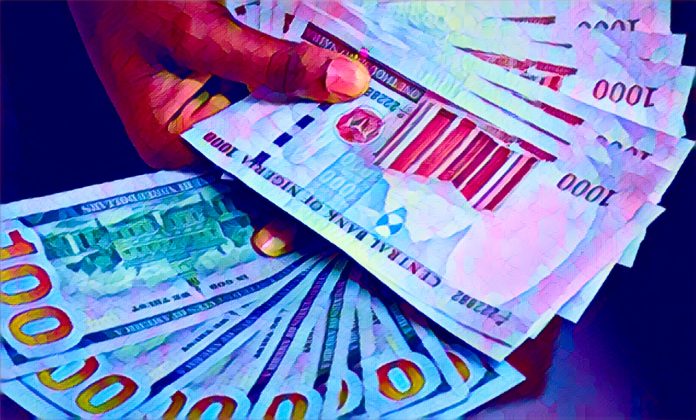
The Naira saw a sharp depreciation against the U.S. Dollar on Thursday, wiping out gains recorded just a day earlier in both official and parallel markets, as reported by Daily Post.
Sharp decline at the official market
Data from FMDQ revealed that the Naira weakened to N1,649.76 per dollar on Thursday, compared to N1,558.75 on Wednesday. This significant drop represents a 91.01-point depreciation following a brief N81 gain recorded the previous day.
This drop comes just 24 hours after Bayo Onanuga, media aide to President Bola Ahmed Tinubu, praised the Naira’s recovery. “The currency closed at 1,558 naira per dollar, its most substantial level against the greenback since Aug. 21,” Onanuga posted on his official X (formerly Twitter) account on Wednesday.
The gain had been attributed to the government’s successful raising of $900 million through its first domestic sale of dollar-denominated bonds, a move seen as temporarily boosting confidence in the Naira.
Parallel market reflects further decline
The depreciation wasn’t limited to the official market. The Naira also dropped in the parallel market, sliding by N5 from N1,650 per dollar on Wednesday to N1,655 on Thursday.
This sudden reversal highlights the continued volatility of Nigeria’s currency markets, despite short-lived optimism. As the Daily Post reported, the fluctuations in the Naira’s value reflect underlying economic pressures that continue to strain the country’s foreign exchange system.
Broader economic concerns
The sharp depreciation has raised fresh concerns over the Naira’s long-term stability. While the bond sale provided a temporary boost, economic experts warn that the rapid depreciation suggests deeper issues with Nigeria’s monetary policy and external pressures on the economy.
Economists are calling for sustained efforts to address the root causes of the currency’s instability, noting that without structural economic changes, the Naira will continue to be vulnerable to global and local market dynamics.

