

KEY POINTS
- Nigeria’s inflation rate dropped to 32.15 per cent in August 2024 due to improved food supply from the harvest season
- Rising fuel and food costs have eroded the purchasing power of Nigerians, straining households and businesses
- While inflation eased in August, ongoing fuel hikes may reverse these gains if no corrective measures are taken
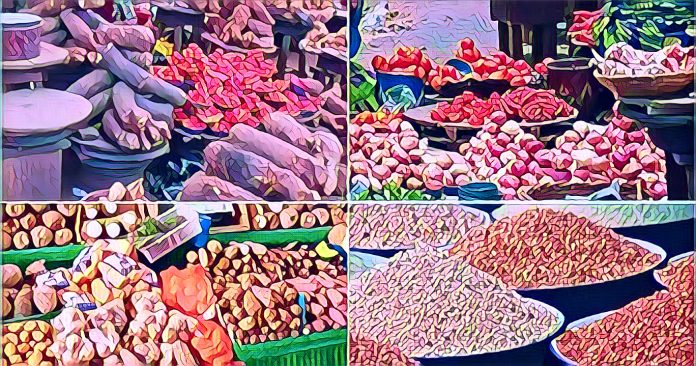
The inflation rate in Nigeria for August was 32.15 per cent, slightly lower than the 32. 57 percent of the previous month of July as reported by BusinessDay. This moderation comes at a time when harvest is still on and this has helped to ease the food prices. However, while the drop in inflation seems promising; the following factors still determine the rise and fall of the inflation rate in Nigeria. These include fuel prices, continuing economic policies and international economic factors.
Factors influencing inflation in Nigeria
In Nigeria, food inflation plays a major role in the inflation rate because a large percentage of the Nigerian’s income is spent on food. During the harvest season, food prices are normally regulated due to the availability of the food items thus reducing inflation. But other structural factors like bad physical facilities, weak communication, and insecurity in core agricultural areas usually offset this seasonal relief.
Apart from food, the exchange rate is another factor that is also influential. This is because Nigeria depends on the importation of most of its goods and services hence any changes in the value of the naira will automatically affect the level of inflation. New measures in foreign exchange policies such as the unification of exchange rates have led to a rise in the cost of imports, thus putting pressure on the inflation rate.
Another factor is the cost of energy which is also an influential factor in the inflationary process. The increase in the prices of fuel in the recent past due to the elimination of subsidies has had an impact on the economy. Transport costs which relate to the cost of moving goods from one place to another have gone up and this has been reflected in the cost of goods and services.
Effects of increase in fuel price
Among the main causes of inflation in Nigeria in the past few months has been the increase in fuel prices especially after the elimination of fuel subsidies. Although the elimination of subsidies aimed at controlling the fiscal deficit and eradicating corruption in the fuel sector, it has increased transportation and production costs significantly.
The effect of the fuel hike is even more apparent since it affects the price of almost all the basic necessities in the country. Transport costs have gone up and this has led to an increase in the prices of foods and other necessities, which is a burden to families.
The fuel price increase has also impacted business operations, especially the SMEs which use fuel in their production and transportation processes. This in particular results in high prices for the consumers and thus the cycle of inflation is complete.
Impact on Nigerians
The inflationary pressure has continued to soar while the cost of fuel has gone up, hence reducing the purchasing power of the Nigerian populace. The situation is that many households are unable to afford necessities and the middle class is declining as more people are sinking into the lower class.
The National Bureau of Statistics (NBS) has indicated that food inflation is still a major problem, especially in rural areas where consumers spend more of their income on food.
Also, high inflation reduces the capacity of firms to invest in expansion and growth thus slowing down the overall recovery process.
Measures to reduce inflation
To deal with inflation, some measures have to be undertaken by the policymakers. Some of the measures include fixing the exchange rate through proper monetary policy and encouraging local production in a bid to cut on importation. Furthermore, other structural factors that affect agriculture including insecurity and poor infrastructure would go a long way in addressing food inflation.
The other important factor is the stabilization of fuel prices. Though the removal of subsidies is essential for the sustainability of Nigeria’s fiscal policy, the government may need to think of other forms of subsidies like subsidizing public transport for a short-term impact on the citizens.
Last, expanding the investment in energy infrastructure may help to stabilize fuel prices and decrease the overall economic effects of fuel price volatility.
Therefore, it can be concluded that although Nigeria’s inflation rate has slightly decreased because of the harvest season, there are still certain problems. The persistent increase in fuel prices and structural imbalances in the economy are the major factors that are putting pressure on inflation rates thereby impacting the lives of the average Nigerian populace.

