

KEY POINTS
- Canoe fares in Maiduguri have dramatically increased due to flooding.
- Residents express frustration over the high prices being charged.
- Local leaders are considering measures to regulate canoe fares.
In the aftermath of devastating flooding in Maiduguri, Nigeria, residents are grappling with steep canoe fares. Many are turning to canoes for transportation as road access remains limited. The situation has raised concerns over the fairness of pricing during this humanitarian crisis.
Flood impact on Maiduguri
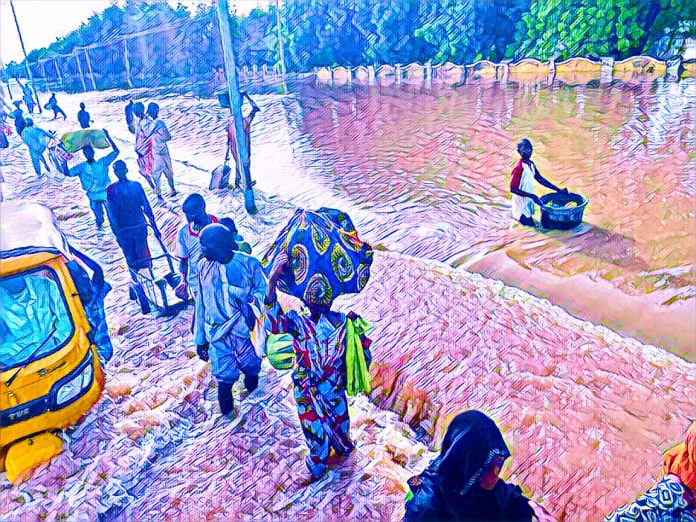
Maiduguri is facing the worst flooding it has seen in three decades. This crisis was triggered by heavy rainfall that caused a dam wall to burst, affecting thousands of families.
Local officials have reported significant damage to homes and infrastructure. As a result, many residents find themselves without transportation options, leading to a surge in demand for canoes.
Residents are now reliant on these watercraft to move between flooded areas. However, some canoe operators are reportedly taking advantage of the situation. They are charging exorbitant prices for rides that were once affordable.
Falmata Muhammed, a mother of three, shared her distress after being charged 80,000 naira (about $49.56) for a short canoe trip. This amount far exceeds the minimum wage and highlights the exploitation some residents feel they are facing in this time of need. “It’s disheartening that some individuals are capitalizing on this disaster to profit excessively,” she lamented.
Canoe operators’ response
While some canoe owners are accused of price gouging, others are trying to provide aid to their communities. Mohammed Yusuf, a local fisherman and canoe owner, stated that he still offers free rides to those in need. However, he acknowledged that some residents insist on compensating him for his services.
The rising fares have sparked outrage among residents. Many are calling for local authorities to intervene and establish regulations on canoe pricing during disasters. They argue that fair pricing is essential for recovery, especially when families are already facing significant losses.
Local leaders are beginning to address these concerns. Some have suggested forming a committee to oversee transportation pricing in flood-affected areas. This committee would aim to ensure that residents are not exploited during their recovery efforts.
As Maiduguri continues to navigate the challenges brought on by the floods, residents are hopeful for a resolution. Many emphasize the need for unity and support during these trying times.

