

KEY POINTS
- Nigeria spent $3.58 billion on external debt in 2024.
- External debt grew 90% year-on-year due to naira depreciation.
- Analysts predict further rises in debt servicing costs in 2025.
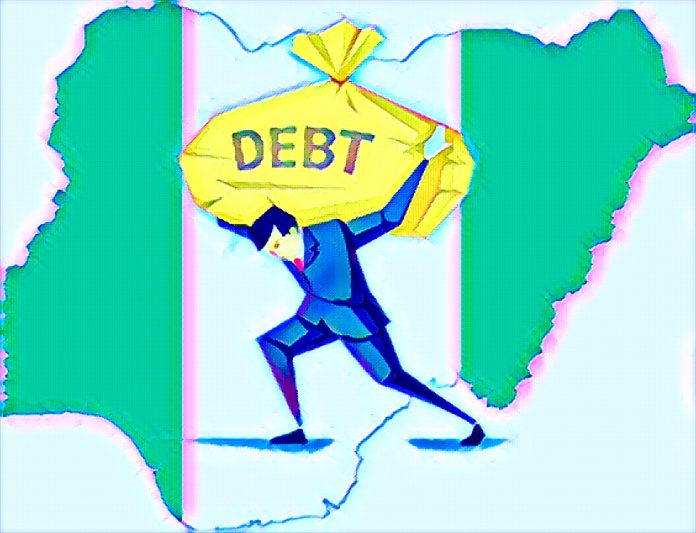
Nigeria spent $3.58 billion servicing its external debt in the first nine months of 2024, despite government reforms aimed at increasing revenue and curbing borrowing. This marks a 39.77% increase from the $2.56 billion spent during the same period in 2023, according to data from the Central Bank of Nigeria (CBN).
Debt servicing climbs sharply despite revenue-boosting reforms
The nation implemented several reforms last year to reduce government spending on subsidies and unify the foreign exchange market, allowing the naira to reflect market fundamentals. However, rising debt servicing costs indicate a significant portion of Nigeria’s budget is being allocated to debt management rather than critical sectors like infrastructure, healthcare, and education. Analysts warn that continued increases in debt servicing could force Nigeria to borrow more, exacerbating its financial challenges.
CBN data shows that May 2024 saw the highest monthly debt servicing payment, amounting to $854.37 million.
Fitch Ratings recently projected that Nigeria’s external debt servicing will rise to $5.2 billion in 2025, despite the government’s focus on domestic borrowing. According to businessday, The agency also estimated that foreign exchange bank swaps constitute about 30% of Nigeria’s external reserves.
Experts warn of growing debt burden and future strain
Nigeria’s foreign debt rose to $42.9 billion in the second quarter of 2024, up from $42.1 billion in the first quarter, according to the Debt Management Office (DMO). On a quarterly basis, the nation’s external debt stock grew by 13% and by 90% year-over-year, reaching N68 trillion due to the naira’s depreciation.
“The share of external debt obligations in the nation’s total debt stock has increased from 38% in Q2 2023 to 47% in Q2 2024, underscoring the adverse impact of the naira’s devaluation on dollar-denominated debt,” FBNQuest Capital Research analysts said in a report.
According to businessday, multilateral lenders accounted for a $799 million (4%) quarter-on-quarter increase in external debt, bringing the total to $21.6 billion. Nigeria’s external debt now represents 27.4% of its 2023 gross domestic product (GDP).
The Federal Government of Nigeria is responsible for 89% of the country’s external debt, with the remaining 11% owed by state governments to multilateral and bilateral lenders.
“We anticipate further increases in external debt due to new loans worth $3.8 billion approved by the World Bank and the ongoing effects of naira volatility,” FBNQuest analysts added.

