

KEY POINTS
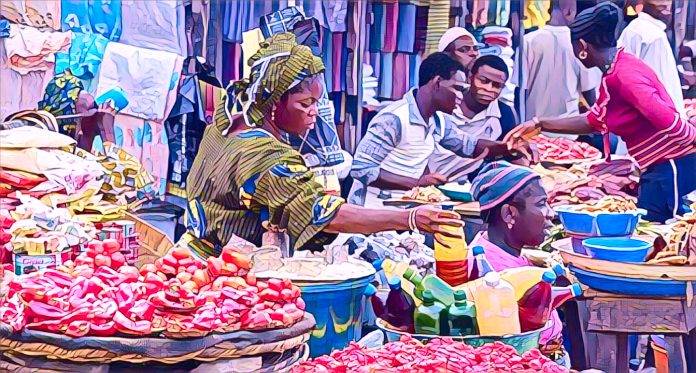
- Two-thirds of Nigerian households struggle to afford healthy and nutritious food due to financial constraints
- Only 82.2 percent of urban households and 40.4 percent of rural households have access to electricity.
- About 70.4 percent of Nigerian households own their homes, but many lack proper toilet facilities.
According to a recent survey by the National Bureau of Statistics, two thirds of households in Nigeria cannot afford healthy meals, according to financial constraints.
“That’s why we titled the survey ‘Nigeria General Household Survey – Panel (GHS-Panel) Wave 5 (2023/2024)’ because it captured all the challenges the people of Nigeria are facing, especially on food security, access to electricity among other basic living amenities as compared to 2018/19 Wave 4,” she said.
Food insecurity
The report underscores the widespread food insecurity across the country:
– In the past 30 days, 66.7 percent of households were not able to afford healthy, nutritious, or preferred foods.
– 63.8 percent of people were constrained by financial means to eat only limited types of food.
In 2019/20, 62.4 percent said they worry about not having enough food, rising from 36.9 percent in 2018/19.
– Between 55 percent and 60.5 percent depending on the study ate about 60.5 percent less food then they thought they should as a result of the bad financial situation.
Overall household nutrition across the country is reflected in the data, which also takes into account a growing poverty and inflation.
This thesis presents the thesis of energy and power access.
The survey revealed stark disparities in energy access between urban and rural areas:
– 82.2 percent in urban households had electricity compared with 40.4 percent in rural households.
On average, Nigerian households suffer from 6.7 power blackouts in a week.
Water supply & cooking
65 percent of households use the traditional three stone stove, although 70.2 percent use wood as their main cooking fuel.
At the same time, there has been a growing trend towards the adoption of cleaner sources of energy with access to liquefied petroleum gas (LPG) growing considerably.
Tube wells or boreholes, whoever provide most of the drinking water, are the main sources of drinking water, while many households lack basic toilet facilities and rely on informal waste disposal.
Livable Housing: asset ownership and living conditions
– Only 70.4 percent of households own their houses, with ownership much higher in rural (80.1 percent) compared to urban areas (49.1 percent).
– Only 21.3 percent of households have access to the internet, yet two-thirds of them own mobile phones.
However, asset ownership has declined across the board since the 2018/19 survey, in the midst of many families’ economic difficulties.
Implications
According to the survey, it’s little surprise that some of Nigeria’s living conditions are dire, with massive food insecurity, massive lack of access to basic amenities, and a massive amount of poverty in Nigeria.
Households are finding it increasingly difficult to meet basic needs as the purchasing power of hard currency continues eroding under continued inflation, also deepening multidimensional poverty in the country.

