

Key Points
- Sports unite Nigeria’s diverse ethnic groups through shared experiences.
- The Super Eagles inspire national pride and collective identity.
- Sports foster peace and economic growth, building stronger communities.
Nigeria, with over 250 ethnic groups and a multitude of cultures, encounters considerable obstacles in promoting national unity. Sports have demonstrated their efficacy as a formidable instrument in crossing divisions, fostering shared experiences that surpass geographical, ethnic, and political distinctions.
Sports as a cohesive element in a heterogeneous nation
The complexity of Nigeria, characterised by its ethnic and regional variety, poses obstacles to national cohesiveness. Nonetheless, sports—particularly football—have become a unifying force among Nigerians across these divisions.
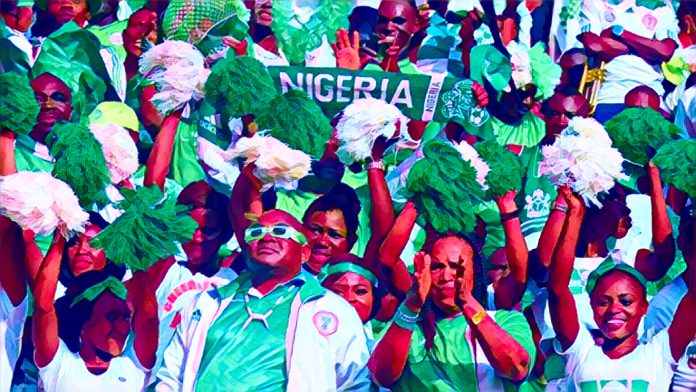
The Super Eagles, Nigeria’s national football team, epitomise unity. Victories like the 1994 African Cup of Nations (AFCON) triumph and the 2013 AFCON championship ignited widespread celebrations, uniting Nigerians from all regions, regardless of ethnicity.
The National Sports Festival convenes athletes from throughout Nigeria to compete in several events and significantly fosters togetherness. It offers a venue for Nigerians to exhibit regional pride while simultaneously identifying with the broader Nigerian community.
Achievement in international sporting events enhances national pride and promotes solidarity, especially in nations such as Nigeria characterized by significant ethnic divisions.
The Super Eagles’ achievement at the World Cup transcends mere sport; it embodies a celebration of national identity, uniting Nigerians from all regions in support of a single squad.
Notable Nigerian sportsmen such as Nwankwo Kanu, Blessing Okagbare, and Ngozi Okonjo-Iweala surpass their ethnic backgrounds to embody national pride.
Sports as an instrument for peacebuilding and socioeconomic development
According to the guardian, Sports have significantly contributed to the promotion of peace and the advancement of economic growth in Nigeria.
Following regional conflicts, such as those in Maiduguri during the Boko Haram insurgency, sports initiatives have been employed to foster connections and encourage reconciliation.
According to premium times, furthermore, sports play a substantial role in Nigeria’s economy. Football generates significant cash through domestic leagues, foreign clubs, and sponsorships.
Hosting events such as the 2003 All-Africa Games enhances national pride, stimulates sports tourism, generates employment, and bolsters local enterprises.
Conclusion: The role of sports in unifying Nigeria’s future
As Nigeria progresses, sports will continue to serve as an essential instrument for national cohesion. Political separation and ethnic antagonism remain significant issues; yet, sports provide a viable means to reconcile these disparities.
Nigeria can leverage the unifying potential of sports to foster a more cohesive society through investments in sports infrastructure, grassroots development, and youth empowerment.
The achievements of the Super Eagles, Nigerian athletes, and events such as the National Sports Festival underscore the capacity of sports to cultivate a united and more robust Nigeria.

