

KEY POINTS
- Minister Oyetola highlights marine inefficiencies and revenue leakages, urging auditors to adopt advanced strategies to boost Nigeria’s internally generated fisheries, shipping, and tourism revenue.
- Auditor-General Ogwe stresses outdated systems and governance challenges in fishing licenses, oil royalties and customs duties, pushing for modern collection systems to unlock marine sector potential.
- Revitalizing the marine sector aligns with Nigeria’s diversification efforts, reducing oil dependency and fostering sustainable growth in the blue economy’s untapped opportunities.
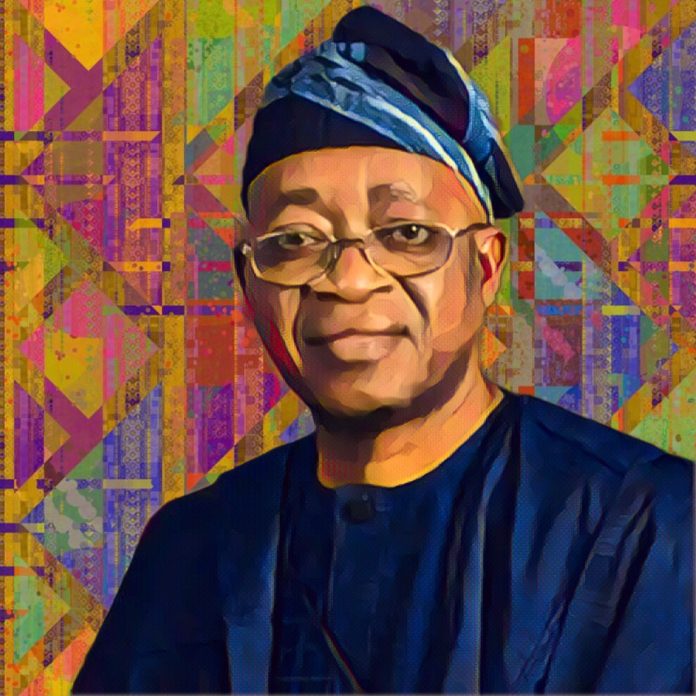
Nigeria’s Minister of Marine and Blue Economy, Adegboyega Oyetola, is spearheading efforts to close revenue leakages in the marine sector to enhance the country’s economic potential.
Speaking at a workshop on Modern Audit Techniques in Abuja, Oyetola emphasized that advanced auditing practices are essential to curbing inefficiencies, optimizing revenue collection, and minimizing wastage within the industry.
Targeting governance gaps
Represented by the Ministry’s Permanent Secretary, Olorutola Olufemi, Oyetola outlined persistent challenges such as revenue leakages, governance gaps, and inefficiency, that have hindered the marine sector’s ability to contribute significantly to Nigeria’s internally generated revenue (IGR).
“As auditors, your role extends beyond reviewing accounts; you are tasked with helping organizations enhance their objectives,” Oyetola said, urging participants to adopt modern strategies and engage with experts to implement actionable solutions.
Oyetola highlighted opportunities within the marine and blue economy, such as fisheries, shipping, and marine tourism, that remain underutilized due to structural inefficiencies.
Auditor-general’s office lends support
Uchechukwu Nwaede Ogwe, representing the Auditor-General of the Federation, reiterated the importance of addressing these challenges during his address.
He emphasized the sector’s untapped potential across various revenue streams, including fishing licenses, oil and gas royalties, customs duties, and marine tourism.
Ogwe noted that many of these opportunities are constrained by outdated collection systems and governance challenges, urging stakeholders to adopt the workshop’s strategies to maximize growth.
Shifting toward a diversified economy
Oyetola pointed out that revitalizing the marine sector is critical as Nigeria seeks to reduce its over-reliance on oil revenue.
He encouraged workshop participants to integrate the strategies discussed into their daily operations to help bridge gaps and drive sustainable growth in the marine and blue economy.
The workshop represents a concerted effort by the government to align the marine sector with Nigeria’s broader economic diversification goals, laying the groundwork for long-term revenue optimization and enhanced sectoral governance.

