

KEY POINTS
- Obasanjo condemned NNPCL’s $2 billion spent on redundant refineries with no result.
- There is skepticism about the recent NNPCL claims about rehabilitaton of some refineries.
- However, Afenifere and CUPP condemned NNPCL’s media based invitation as an indiscretion.
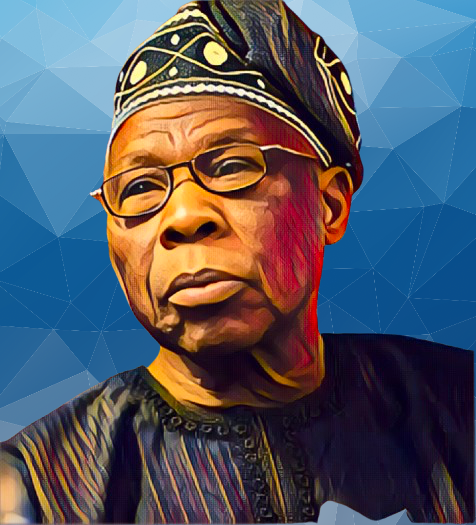
Former President Olusegun Obasanjo has condemned the invitation by Nigerian National Petroleum Corporation Limited (NNPCL) to tour its refineries as_despicable.
Refinery mismanagement and squandering $2 billion without producing functional results ‘were the sin of omission of the corporation,’ the ex-president said.
A history of refinery mismanagement
Obasanjo said an offer by Aliko Dangote to manage the Port Harcourt and Kaduna refineries for $750 million was rejected during his administration.
He also deplored the choice of Musa Yar’Adua’s immediate successor who decided to rely on the NNPCL, despite decades of inefficiency in the refineries.
Over $2 billion has been wasted on these refineries since then, and they are not working yet,” Obasanjo said. According to him, the government does not compare well with private operators like Dangote which has set new refineries standards in Nigeria.
The former president also said inviting him through media outlets was an act of disrespect. There was no formal letter sent to Obasanjo, said Kehinde Akinyemi, his media aide.
Akinyemi did not seem to be too happy with the treatment he was receiving either on his visit to Obawole. “This is not how you invite a statesman,” he said.
Refineries under scrutiny
‘We have made tremendous progress in the rehabilitation of the refineries,’ NNPCL spokesperson Olufemi Soneye told AFP. The invitation was extended to Obasanjo to inspect the facilities. Investigations showed inconsistencies in refinery management. The operations were characterised by long inactivity and empty loading bays at the Port Harcourt refinery.
Reports detailing inconsistencies with production at the Warri refinery did nothing to stem incidents of skepticism, despite assurances from NNPC Limited’s Group Chief Executive Officer, Mele Kyari. A driver at the Port Harcourt depot confirmed delays, as he lamented, ‘No truck has loaded since last week.’
Public backlash
Groups including the Afenifere and Coalition of United Political Parties (CUPP) criticised the NNPCL for disrespecting former president. According to Afenifere Secretary General Sola Ebiseni, the move is ‘arrogant and politically motivated’, while CUPP National Secretary Peter Ameh believes it amounts to public insult.
Both groups called on NNPCL to subscribe to professional standards and focus on operational efficiency.

