

KEY POINTS
- Nigerian youths are embracing agriculture for entrepreneurship and wealth creation.
- Technology like Farmcrowdy and drones is transforming farming practices.
- Youth-led agriculture addresses food security and promotes sustainable practices.
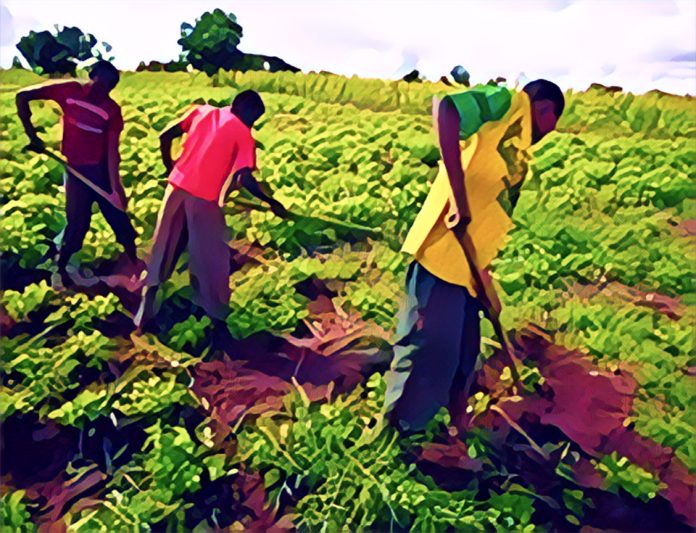
In recent years, Nigerian youths have been making a noticeable shift toward agriculture, a sector once viewed as unappealing.
This change comes amidst growing unemployment, a rising interest in entrepreneurship, and the realization of agriculture’s potential to generate wealth and address food security challenges.
By leveraging technology, innovation, and modern farming techniques, Nigerian youths are not only transforming the agricultural sector but also redefining its role in the nation’s economic development.
Entrepreneurship and wealth creation
For many Nigerian youths, agriculture offers a promising avenue for entrepreneurship and financial independence.
Due to the rates of unemployment and scarce employment opportunities, the youth in the urban areas are being forcing to go back to farming as the next better option.
Support programmes such as the Youth Farm Lab and Young Farmers Network are training grounds that prepare the young farmers to run efficient and sustainable businesses in the agriculture value chain.
Profitability has also made agriculture appealing as keys to value addition are firmly placed in this sector. Whether it comes to raising of birds or cultivation of crops, one would find that agribusiness investment generates good profits if well operated.
The youths have shifted focus to value addition in various profitable value chains like cassava processing, fish farming and vegetables.
Technology and innovation in Farming
The integration of technology has revolutionized agriculture in Nigeria, making it more attractive to younger generations.
Digital platforms like Farmcrowdy and Thrive Agric allow young farmers to access funding through crowdfunding while connecting them with markets and agricultural experts.
These platforms have made it easier to overcome traditional barriers such as lack of capital and market access.
Furthermore, youths are putting their efforts into some strive technologies, including precision farming tools, drones, and mobile application.
It enhances the efficiency of production, increases production yields, and enhances profitability of farming hence eliminating labor intensive production and the perception of farming as being outmoded.
Addressing food security and sustainability
Nigeria’s growing population, projected to exceed 350 million by 2050, presents significant food security challenges.
Modern day farmers give credit to their counterpart who act as pioneers in ensuring that they up production and embrace sustainable farming.
Organic farming and climate-smart methods have also been adopted by the agro-entrepreneurs to solve the environmental problems facing the country’s farming sector and to record higher productivity.
Initiatives such as the Anchor Borrowers’ Program launched by the Central Bank of Nigeria assist young farmers and small holders farmers to boost their production, and help feed the nation.
Challenges and the future of youth in agriculture
However, young farmers are still faced with some constraints like; access to land, physical facilities, and unstable prices of their commodities.
These problems can be solved only with the assistance of governmental measures concerning land reforms, development of infrastructures of rural areas, and support for agricultural innovation.
As Nigerian youths continue to reshape agriculture through entrepreneurship and technology, the sector is poised to play a pivotal role in economic diversification and job creation.
With sustained support, these young innovators can drive Nigeria toward food sufficiency and sustainable development.

