

KEY POINTS
- Counterfeit drugs are a significant public health issue in Nigeria.
- Consumption of fake medications leads to severe health risks and fatalities.
- Strengthened regulations and public awareness are essential to combat the crisis.
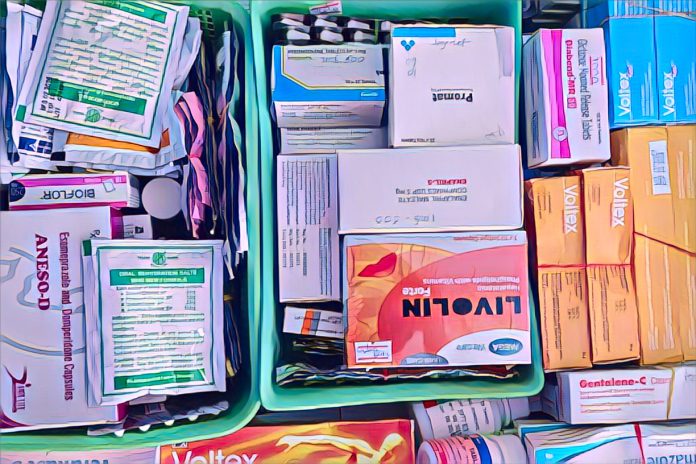
Public health has suffered seriously from widespread fake drug production which has become a major crisis across Nigeria.
The consumption of counterfeit medications creates both therapeutic failure and direct health hazards, which amount to large numbers of preventable fatality counts.
The prevalence of counterfeit drugs in Nigeria
Counterfeit drugs are a pervasive issue in Nigeria, with studies indicating that a significant portion of medications in the country are substandard or falsified.
The World Health Organization (WHO) reports that at least 1 in 10 medical products in low- and middle-income countries, including Nigeria, are substandard or falsified.
The reported prevalence of such significant proportion of counterfeit drugs reveals the vast reach of the issue along with its important impact on public health.
Health implications of fake medications
Health problems of serious nature emerge from consuming counterfeit drugs.
The incorrect medication components combined with wrongly dosed or dangerous substances present in counterfeit drugs leads to broken treatments, harmful side effects and fatal outcomes.
Annual deaths from falsified and substandard medicines in sub-Saharan Africa reach an estimated 500,000 while antimalarials and antibiotics represent the main groups of counterfeit medicines.
The Nigerian deaths of 84 children in 2008 because of contaminated teething syrup demonstrated how deadly counterfeited pharmaceutical products can be to patients.
Factors contributing to the counterfeit drug crisis
Several factors have exacerbated the counterfeit drug problem in Nigeria:
Regulatory challenges
Despite efforts by agencies like the National Agency for Food and Drug Administration and Control (NAFDAC), regulatory oversight faces hurdles due to limited resources and enforcement capabilities.
Supply chain vulnerabilities
Machine-made pharmaceutical supply networks that are complex enable counterfeit products to enter the market across various distribution points.
The numerous intermediaries along with insufficient monitoring create obstacles to verify the authenticity of pharmaceutical products.
Public awareness and economic factors
Many Nigerians either lack knowledge about counterfeit drug hazards or purchase cheaper alternatives as a result of financial constraints, thus unknownly getting counterfeits.
Efforts to combat counterfeit pharmaceuticals
Addressing the counterfeit drug menace requires a multifaceted approach:
Strengthening regulatory frameworks
NAFDAC and similar regulatory bodies need improved capabilities to achieve their mission.
NAFDAC’s effectiveness depends on improved financial backing, skilled personnel training and state-of-the-art drug verification systems.
For instance, the adoption of pharmaceutical traceability systems can help track and authenticate medications throughout the supply chain.
Public education campaigns
Educating consumers about risky counterfeit drug behavior will provide them with better purchasing decisions and better capabilities to report questionable pharmaceuticals.
Public education delivers guidance for people to detect real medicines alongside the necessity of purchasing from trusted vendors.
International collaboration
The fight against counterfeit drug trafficking at borders can be enhanced by working together with international groups and neighboring jurisdictions, for intelligence information sharing, best practices and shared resources.
In conclusion, the medical landscape of Nigeria suffers from a complex pharmaceutical crisis which compromises both public health security and public trust in healthcare.
Nigeria can significantly improve healthcare safety by uniting public awareness campaigns with regulatory updates and multinational cooperation, to remove this dangerous threat to health.

