

KEY POINTS
- Nigeria relies on local festivals to protect and display cultural heritage to its people and visitors.
- Events like the Calabar Carnival and Durbar Festival attract international tourists, boosting local economies.
- The government works with scheduled event management to expand cultural tourism across the country.
The colorful festivals serve as important cultural traditions, while extensively benefiting the local economy and presenting Nigeria as a cultural center on the global stage.
Preserving culture through festivals
Through festivals in Nigeria, the country maintains and displays its cultural identity to the world.
Events like the Calabar Carnival, often dubbed “Nigeria’s biggest street party,” attract millions of spectators and participants annually.
This month-long festival features colorful parades, music, dance, and cultural displays, drawing tourists from around the globe.
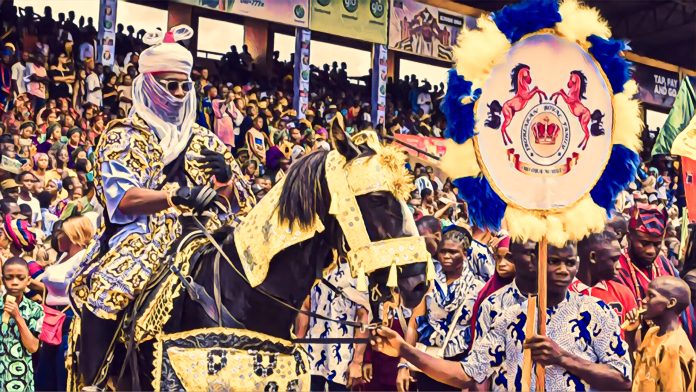
Similarly, the Durbar Festival in Kano is a grand display of horsemanship, traditional music, and dance, held during Eid al-Fitr and Eid al-Adha.
The organized celebrations of this event provide visitors the chance to witness Hausa cultural heritage, which increases their cultural insights and respect for these traditions.
Economic impact and tourism growth
The celebration of local events produces major economic growth within their originating population centers.
The Ugep-based Leboku Yam Festival both commences the harvest season and triggers meaningful economic growth for the Cross River State area.
When the market becomes busy during the festival period, farmers together with merchants witness increased financial gains.
These events particularly “Detty December” attract more than 1.2 million tourists in December 2023, in which nearly thirty percent came from outside Nigeria.
The influx of visitors generates large sums of business revenue for both the creative economy and tourism sector of the city.
Government support and global recognition
Cultural tourism shows potential for which the Nigerian government and local authorities make steps to elevate these festivals through supportive measures.
The Government of Lagos State supports the Olokun World Festival in Badagry, as it promotes Yoruba cultural heritage and expands tourism activities in the area.
The 2024 edition saw attendance from over 50,000 participants, including monarchs and international visitors, highlighting the festival’s growing significance.
Additionally, the Nigerian Tourism Development Authority maintains an annual events calendar featuring festivals like the Osun Osogbo Festival and the New Yam Festival, promoting them as key tourist attractions.
Challenges and opportunities
The busy festival activity in Nigeria still confronts various obstacles that prevent it from maximizing its tourism development potential.
Three main barriers to growth include poor fundamental facilities, security risks and weak marketing approaches.
The Ado-Awaye hills featuring a unique suspended lake draw less than 3,000 tourists each year demonstrating a missed opportunity for tourism development.
In conclusion, the nation requires substantial infrastructure development, synchronized marketing strategies and better hospitality services to battle these industry obstacles.
The development of cultural festivals in Nigeria can turn the country into a global tourism hotspot, which creates sustained economic growth through annual visitor intake.

