

KEY POINTS
- The Federal Capital Territory experienced a closure of 40 illegal sachet water production facilities because they breached safety regulations.
- The excessive inspection team discovered that more than fourteen bakeries needed closure because they violated sanitation guidelines.
- During inspections of the factories NAFDAC found two main problems: inadequate water processing and hazardous storage facilities along with fake logo documentation.
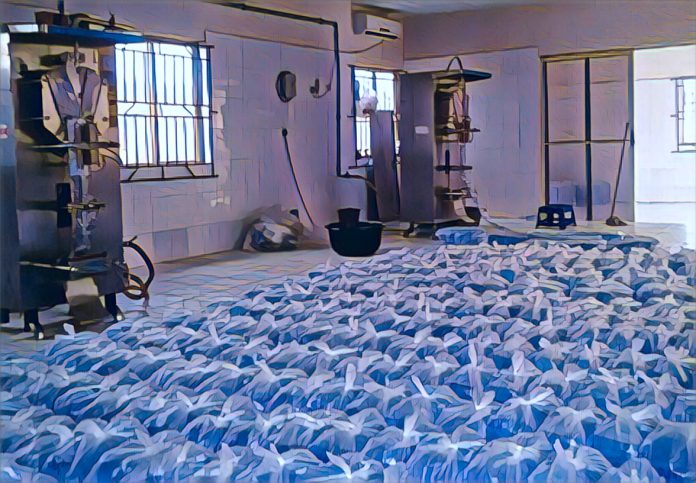
At least forty unauthorized small water factories in Dutse Alhaji and Dawaki have faced closure from NAFDAC for illegal sachet sachet water operations in the Federal Capital Territory (FCT).
NAFDAC organized an enforcement operation with Nigerian police and other security personnel to reveal extensive hygiene misconduct and safety violation occurrences.
Several facilities ran in dangerous locations while operating with faulty equipment along with faking their registration documentation.
The universal food standard campaign at FCT involves quality control enforcement for product manufacturing according to Kenneth Azikiwe who leads NAFDAC operations in FCT. A total of 14 bakeries operating in Mararaba and Nyanya along with Zuba and Gwagwalada faced closures due to safety standards violations according to the announcement of the official.
Health risks and regulatory breaches
Assistant Director Dr. Promise Ogbonna found the sites to have severe hygiene violations during the enforcement operation. The official discussed safety threats to public health from contaminated water supplies and inadequate sanitization systems and improper filtration equipment.
No Treatment plant or Sand filter or Carbon filter exists in the manufacturing facility because the UV sterilisation equipment lacks functionality according to Ogbonna. Several Nigerian Water manufacturing sites placed their facilities within proximity to public restroom facilities while packages and materials were improperly positioned within dirty surroundings.
NAFDAC conducted investigations on printing presses that distribute fake registration numbers to target the entire fraudulent water producer supply system.
Call for public vigilance
The public must ensure the purchase of registered brands since NAFDAC recommends checking product labels so Nigerians stay away from contaminated sachet water. NAFDAC strengthened its dedication to health protection services while it upholds all safety protocols set by manufacturing standards.

