

KEY POINTS
-
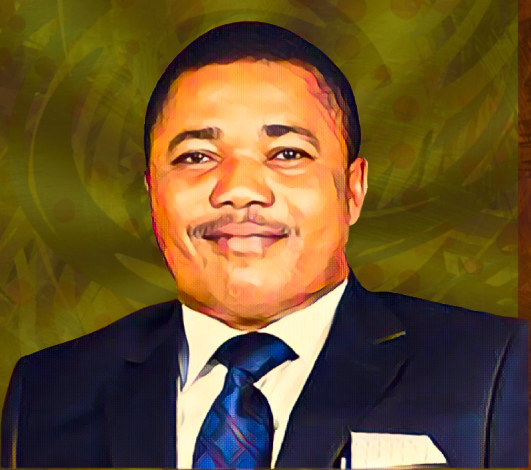
Barrister Ifeanyi Ejiofor has called on the Nigerian government to officially designate armed herders as terrorists, citing comments from Benue Governor Hyacinth Alia.
-
Ejiofor questioned the government’s inaction, comparing the treatment of IPOB with the reluctance to address the growing violence by armed herders.
-
The lawyer’s remarks highlight ongoing concerns over the government’s approach to terrorism and its failure to respond effectively to the escalating violence and ideological undertones of herder attacks.
Barrister Ifeanyi Ejiofor, the legal representative for the Indigenous People of Biafra (IPOB), has called on President Bola Tinubu’s government to officially designate the armed herdsmen responsible for widespread violence across the country as a terrorist organization.
This demand follows recent comments made by the Governor of Benue State, Hyacinth Alia, who described the actions of these armed herders as terrorist activities.
In a post shared on his verified social media handle, Ejiofor referenced Alia’s interview on Arise News, where the governor explicitly condemned the herders’ attacks, labeling them as acts of terrorism. “Now that the Governor of Benue State, Dr. Hyacinth Alia, has unequivocally acknowledged and consequently labeled the murderous Fulani herdsmen as terrorists, will the Federal Government finally act?” Ejiofor questioned in his statement.
Ejiofor’s remarks highlight the ongoing violence in several Nigerian states, including Benue, where armed herders have been attacking farming communities, displacing thousands, and causing numerous fatalities.
According to SaharaReporters, the lawyer also pointed out the clear ideological motives behind these herdsmen attacks, which many perceive to be linked to a jihadist agenda.
Substantial concerns raised over Government’s inaction to tackle herdsmen
The call from Ejiofor draws attention to what many see as an inconsistency in the Nigerian government’s approach to non-state actors.
The government’s swift designation of IPOB as a terrorist group in 2017, despite ongoing debates over whether the group met the globally recognized criteria, contrasts sharply with the government’s continued reluctance to officially designate the herders responsible for these violent attacks. “The question remains: will Abuja take this seriously and officially designate these killers for what they truly are?” Ejiofor asked, urging the government to act decisively.
Ejiofor’s comments also reflect widespread concerns among Nigerian citizens and political leaders, who have expressed frustration over the failure to confront the growing threats posed by armed herders. These concerns have been exacerbated by the lack of a comprehensive national response to the violence that continues to destabilize many parts of the country.
Ejiofor also referenced the government’s approach towards the IPOB and its leader, Nnamdi Kanu, who remains in detention under charges of treasonable felony and terrorism. This comparison further fuels the debate on whether the Nigerian government applies a selective policy in its counterterrorism efforts.
The call for the herders to be officially classified as terrorists comes as the country grapples with increasing violence that has resulted in widespread displacement, loss of life, and destruction of property. Ejiofor’s remarks have sparked a renewed debate on how the government defines and responds to terrorism, with some calling for a more comprehensive and inclusive approach to addressing non-state actors involved in violence across the country.
“At what point do we begin to call a spade by its name and confront terror in the language it understands?” Ejiofor concluded, emphasizing the urgency of addressing the situation and calling on the government to take action in the face of mounting violence.

