

Key Points
-
Malaria remains prevalent in Yobe and Kebbi due to poor sanitation.
-
Limited access to healthcare exacerbates malaria complications.
-
Government interventions face challenges in reducing malaria rates.
In Yobe and Kebbi states, malaria continues to claim lives, particularly among children under five.
Aisha Abubakar, a displaced mother in Yobe, lost her four-year-old twins to malaria within two months.
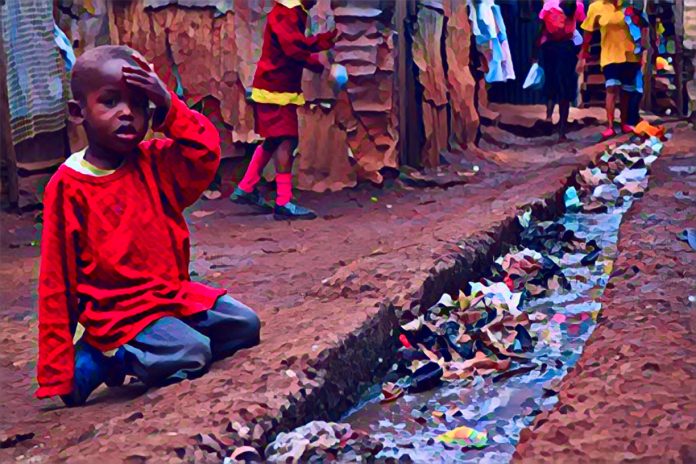
Despite using mosquito nets and maintaining cleanliness, the unsanitary environment of the displacement camp, with stagnant water and open gutters, provided breeding grounds for mosquitoes.
Kebbi State reports the highest malaria prevalence in Nigeria among children under five, with a 75.6% rate based on rapid diagnostic tests in 2021.
Yobe follows closely with a 62.5% prevalence rate. Both states face challenges such as limited access to functional health facilities, economic hardship, and environmental factors that contribute to the high malaria burden.
Poor sanitation and limited healthcare access exacerbate malaria
Environmental conditions in both states significantly contribute to malaria prevalence. In Yobe, open gutters filled with stagnant water are common, especially in areas like Damaturu and Potiskum.
These conditions create ideal breeding grounds for mosquitoes. Similarly, in Kebbi, irrigation farming and open water reservoirs provide habitats for mosquito larvae.
Healthcare access is another critical issue. Many residents rely on informal treatment sources due to financial constraints, leading to poor health outcomes.
Health workers report daily cases of malaria with complications such as seizures in children and premature labor in pregnant women.
The lack of functional health facilities and the high cost of medications further hinder effective malaria treatment.
Government interventions face challenges in reducing malaria rates
The governments of Yobe and Kebbi have implemented various interventions to combat malaria.
In 2022, Kebbi distributed four million mosquito nets and conducted a state-wide fumigation exercise in 2024.
Yobe distributed 2.3 million mosquito nets in 2022. Additionally, Nigeria launched the Oxford R21 malaria vaccine in October 2024, with Kebbi and Bayelsa states as pilot locations.
The vaccine aims to prevent severe malaria cases and deaths among children under five.
Despite these efforts, challenges persist. Poor environmental sanitation undermines the effectiveness of these interventions.
The suspension of monthly environmental sanitation exercises in Yobe due to insurgency has worsened the situation.
Health officials emphasize the need for community cooperation and external support to revive sanitation programs.
Without addressing the root causes, such as poor sanitation and limited healthcare access, malaria will continue to pose a significant public health threat in Yobe and Kebbi.

