

KEY POINTS
-
Abuja’s luxury real estate boom relies on exploited labor, with underpaid migrant workers facing dangerous conditions and wage theft to meet elite demands for opulent homes.
-
Illegal sand mining and money laundering through inflated design contracts exacerbate environmental degradation and corruption, with weak regulatory enforcement.
-
Rising property costs displace middle-class residents and rural communities, highlighting stark inequality in Nigeria’s capital.
The skyline in the FCT Abuja, dotted with gleaming high-rises and sprawling mansions, masks a shadow economy where ambition, exploitation, and illicit wealth converge.
The Nigerian capital, FCT, interior design and real estate sectors, long celebrated for catering to the elite, are increasingly under scrutiny for unethical practices—from money laundering to labor abuse—all in the name of “prestige.”
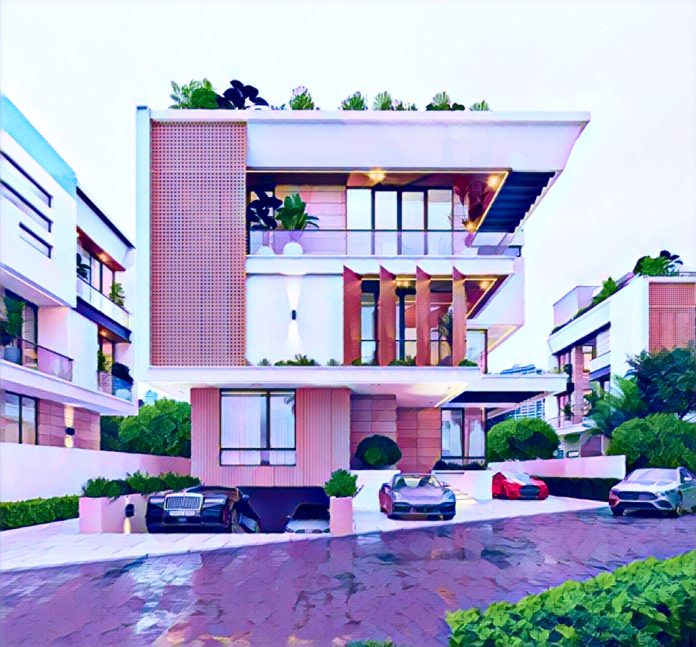
Demand for ultra-luxury homes has surged among politicians, business moguls, and expatriates, with properties in the FCT like Maitama and Asokoro fetching up to $5 million. Yet, insiders reveal a grim underbelly. “Clients want Italian marble, gold-plated fixtures, and smart homes—no questions asked about how it’s sourced or who builds it,” said a designer who requested anonymity due to fear of reprisal.
Contractors often bypass labor laws, hiring underpaid migrants from neighboring countries like Niger and Cameroon for hazardous construction work. A 2024 report by Abuja Urban Watch found 68% of luxury estate laborers earn less than ₦20,000 ($14) monthly, far below the national minimum wage.
Environmental costs compound the crisis. Sand for construction is frequently dredged illegally from the Usuma Dam, destabilizing local ecosystems. “We’ve lost farmland and fishing zones to these ‘sand pirates,’ but officials turn a blind eye,” lamented Kemi Adeyemi, a displaced farmer in Bwari.
The human Toll of opulence in the FCT
Behind gated communities, stories of exploitation abound. Musa Idris, a 24-year-old laborer from Sokoto, recounted working 16-hour days on a billionaire’s villa: “They promised ₦50,000 monthly but paid half. When we protested, armed guards threatened us.” Such cases rarely reach courts; contractors often confiscate workers’ IDs to prevent complaints.
Interior designers in the FCT also face pressure to launder illicit funds. A 2025 EFCC investigation revealed how fake invoicing inflates project costs, allowing clients to legitimize stolen money. “A client once asked me to bill $200,000 for ‘custom lighting’—it was just basic fixtures,” admitted a Lagos-based designer.
The government’s response remains tepid. While the Federal Capital Territory Authority pledges stricter oversight, enforcement is lax. “Developers donate to political campaigns, so regulations gather dust,” said housing rights lawyer Fatima Bello. Meanwhile, middle-class Nigerians are priced out—Abuja’s average rent now consumes 70% of a civil servant’s salary.
As global brands like Versace Home enter Abuja, critics warn the crisis could deepen. “This isn’t just about houses,” argued urban planner Tunde Okoro. “It’s a moral collapse, where luxury justifies every sin.”

