

KEY POINTS
- Urban poverty in Nigeria’s flashy cities worsens with soaring rent and stagnant wages.
- Nigerians survive by juggling multiple jobs and making difficult sacrifices daily.
- Housing inequality widens the gap between the rich and the poor in major cities.
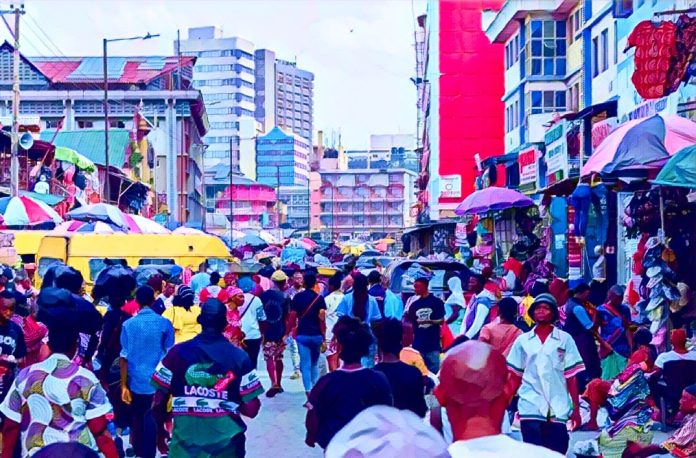
Nigeria’s most opulent cities—Lagos, Abuja, and Port Harcourt—narrates a story of affluence. Skyscrapers, opulent automobiles, and dining establishments depict a narrative of achievement. However, beneath lies a harsher reality: millions of Nigerians residing below the poverty line are endeavoring to subsist under the oppressive burden of rent and the exorbitant expenses of metropolitan living.
1. Rental prices continue to escalate, while wages stay unchanged
A significant difficulty for urban inhabitants is rent. In cities such as Lagos, the typical annual cost for a one-bedroom apartment in a modest neighborhood ranges from ₦500,000 to ₦1 million, frequently requiring upfront payment. For numerous individuals earning the former national minimum income of ₦30,000 monthly (about \$20), rent significantly exceeds their financial capacity.
Slums have become residences for millions. From Ajegunle in Lagos to Nyanya in Abuja, these locales are densely populated, with individuals confined to single rooms, using common facilities, and enduring a lack of consistent energy and potable water. These are not isolated areas of poverty; they are extensive ecosystems where persistence and ingenuity sustain families.
2. Daily survival is characterized by side hustles and sacrifices.
Nigerians in affluent urban areas frequently engage in various occupations to sustain themselves. A civil worker may engage in secondary employment as a driver. (Danfo driver) A university graduate may engage in online clothing sales, pastry baking, or provide errand services for technologically adept start-ups. Despite extended hours and physical fatigue, these endeavors seldom reconcile the disparity between income and expenditure.
The challenge is more on families. Educational expenses, transportation costs, nutritional provisions, and medical bills accumulate. Children are removed from school or compelled to sell items after class. Any savings are rapidly exhausted. Numerous individuals depend on cooperative societies (esusu), borrowing schemes, or high-interest loans merely to maintain shelter.
3. Housing inequality exacerbates the urban poverty difference.
Despite ongoing construction of luxury flats, estates, and smart homes, there remains a scarcity of housing stock designed for low- or middle-income people. Urban planning practices prioritize privileged enclaves, disregarding the significant demand for subsidized housing. Rent control legislation is antiquated or inadequately administered, rendering renters vulnerable to landlords who raise rents capriciously.
Government housing initiatives, despite their noble intentions, have not satisfied demand owing to corruption, substandard implementation, or insufficient funding. Consequently, informal housing markets flourish—predominantly unregulated and frequently hazardous. These differences highlight the increasing divide between the affluent and impoverished urban populations, intensifying sentiments of alienation and dissatisfaction.
Conclusion
Urban poverty in Nigeria’s most affluent cities is a crisis hidden by neon lights, opulent estates, and rapid construction. Below the surface exists a daily challenge for millions of individuals who must contend with elevated living expenses, stagnating wages, and institutional disregard. The narratives of endurance—single mothers managing three occupations, graduates operating ride-hailing vehicles to cover rent, or families confined to one-room apartments—illustrate a stark reality of a nation contending with profound economic disparity.
Tackling urban poverty necessitates comprehensive legislative reforms, deliberate investments in affordable housing, and inclusive urban planning that targets the most disadvantaged populations. Government and business sector players must collaborate to establish safety nets and generate opportunities that enable the urban poor to not only survive but also to flourish.